Ever wondered what the average weight of a horse really is? 🐎
Not in a textbook way but like you’re chatting with a friend who actually knows horses.
Some look lean and athletic, others are built like absolute units, so the scale can surprise you.
From racehorses to workhorses, size, breed, and lifestyle make a huge difference.
Stick with me, and I’ll break it down simply no farm jargon, no overthinking.
By the end, you’ll know what’s normal, what’s not, and why horse weight isn’t one-size-fits-all.
What is the Average Weight of a Horse?
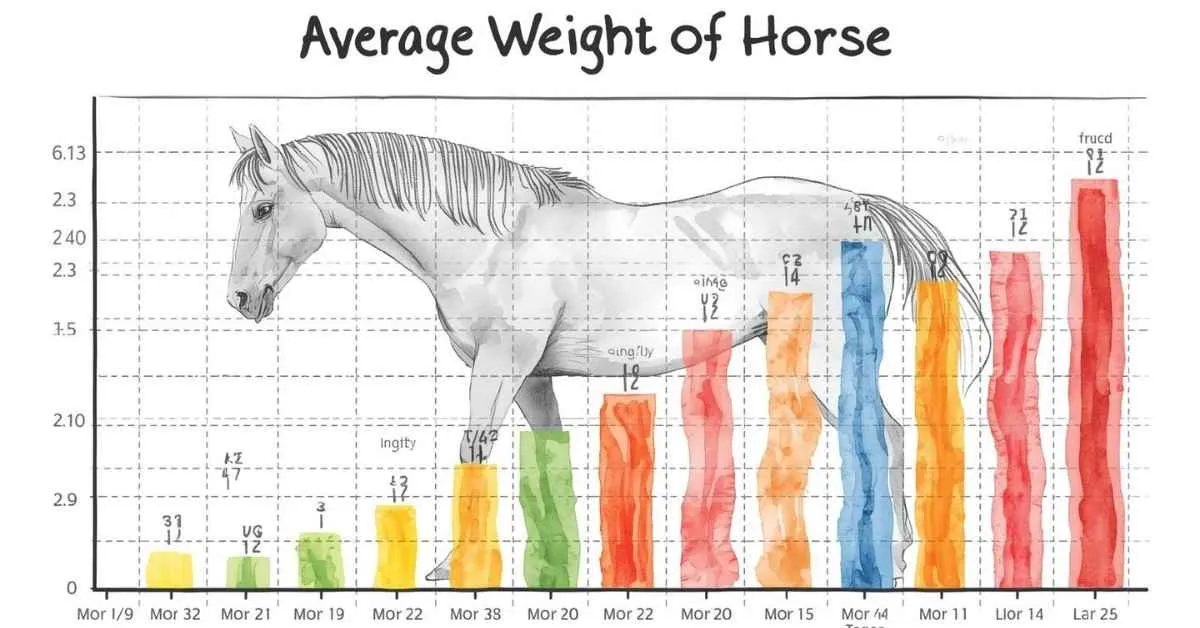
Horses are large, powerful animals, but their weight can vary widely depending on breed, age, height, and purpose. On average, an adult horse weighs between 900 and 1,200 pounds (410–545 kg). However, this is just a general guideline, as some horses can weigh significantly more or less. For example, smaller riding horses and ponies may weigh as little as 400–800 pounds, while large draft horses can reach 2,200 pounds or more.
Understanding average horse weight is important because it affects nutrition, exercise routines, and overall health. A horse that is underweight may lack the energy and muscle mass needed for performance, while an overweight horse can develop joint problems, metabolic issues, and other health complications. The body condition score (BCS) is often used alongside weight measurements to assess a horse’s overall health and fitness. This scoring system evaluates fat coverage and muscle tone, providing a more accurate picture than weight alone.
While knowing the average weight is useful, it’s important to remember that every horse is unique. Factors such as genetics, workload, and age play a significant role. Regularly monitoring your horse’s weight and condition ensures they stay healthy, perform at their best, and enjoy a long, comfortable life.
Average Weight by Horse Breed
The weight of a horse varies significantly depending on its breed, as genetics play a major role in determining size and build. Understanding breed-specific averages can help owners provide proper care, feeding, and exercise.
Light Riding Horses: Breeds like Arabians and Thoroughbreds are known for their agility and speed. They typically weigh between 800 and 1,000 pounds (360–450 kg). Their lighter frame allows them to excel in racing, endurance riding, and other performance activities.
Stock Horses: Popular breeds like the American Quarter Horse usually weigh 950–1,200 pounds (430–545 kg). These horses are muscular and versatile, often used in ranch work, rodeos, and general riding.
Warmbloods: Often seen in show jumping and dressage, warmbloods are larger and heavier, averaging 1,100–1,400 pounds (500–635 kg). Their balanced frame makes them strong but still agile for competitive sports.
Draft Horses: The giants of the horse world, including Clydesdales, Shires, and Percherons, can weigh 1,600–2,200 pounds (725–1,000 kg) or more. Draft horses are built for heavy work, like pulling loads and farm labor.
Ponies: While smaller than horses, ponies like Shetlands weigh 400–800 pounds (180–360 kg). Despite their size, ponies can be strong and hardy, making them suitable for children and light work.
Knowing your horse’s breed average weight helps in setting realistic health goals, determining proper feed, and preventing over- or underweight conditions. Combining this with body condition scoring ensures your horse stays in optimal health.
Factors Affecting a Horse’s Weight
A horse’s weight is influenced by a combination of genetics, environment, and lifestyle factors. Understanding these variables is essential for maintaining optimal health and preventing problems related to over- or underweight conditions.
1. Breed and Genetics: Different breeds naturally have different body frames and muscle mass. For example, draft horses are genetically predisposed to be heavier than light riding breeds. Even within a breed, individual horses may carry weight differently based on genetic makeup.
2. Age and Sex: Foals and young horses are naturally lighter, gradually gaining weight as they grow. Adult mares, stallions, and geldings may also have slightly different average weights due to hormonal differences and muscle development.
3. Height and Body Structure: A taller horse usually weighs more than a shorter horse of the same breed. Bone density and overall build also influence how much a horse should weigh.
4. Diet and Nutrition: A horse’s feeding regimen is one of the most controllable factors. Overfeeding, underfeeding, or feeding imbalanced diets can lead to unhealthy weight changes.
5. Exercise and Workload: Horses that are regularly exercised or used for work will typically have more muscle and less fat, affecting their weight. Conversely, sedentary horses may gain excess fat if their diet isn’t adjusted accordingly.
6. Health Conditions: Illness, metabolic disorders, or dental problems can influence a horse’s ability to maintain a healthy weight. Regular veterinary care is essential to detect and address these issues early.
By understanding these factors, horse owners can better monitor and manage their horse’s weight, ensuring long-term health, performance, and comfort.
Why Maintaining a Healthy Weight Matters
Maintaining a healthy weight is crucial for a horse’s overall health, performance, and longevity. Whether a horse is underweight or overweight, both conditions can lead to serious health issues if not addressed promptly.
Impact on Nutrition and Energy: A horse that is underweight may not have enough fat and muscle reserves to meet energy demands, leading to fatigue, poor performance, and weakened immunity. Overweight horses, on the other hand, can develop metabolic issues that affect their ability to process nutrients effectively.
Joint and Skeletal Health: Excess weight puts additional strain on joints, tendons, and ligaments. This can lead to arthritis, lameness, and other musculoskeletal problems, particularly in older horses or those engaged in heavy work. Conversely, a horse that is too light may lack sufficient muscle to support its skeletal structure.
Performance and Stamina: Weight affects agility, speed, and endurance. Competition horses, trail riders, or working horses perform best when carrying an appropriate weight for their build. Even a few extra pounds can reduce stamina and increase the risk of injury.
Veterinary and Medication Considerations: Correct weight measurement is essential for accurate dosing of medications and supplements. Overweight or underweight horses may require adjustments to ensure treatments are safe and effective.
Longevity and Quality of Life: Horses maintained at a healthy weight tend to have longer, healthier lives. They are less prone to chronic conditions, perform better, and enjoy a higher quality of life overall.
Regular monitoring and management of your horse’s weight is one of the simplest ways to ensure they remain healthy, strong, and active for years to come.
How to Measure a Horse’s Weight
Accurately measuring a horse’s weight is essential for proper feeding, health monitoring, and veterinary care. There are several methods available, each with its own advantages and limitations.
1. Livestock Scales: The most accurate method is using a large animal or livestock scale. Horses step onto the scale, providing a precise measurement in pounds or kilograms. While highly accurate, scales can be expensive and are often only available at veterinary clinics, fairs, or specialized facilities.
2. Weight Tape: A weight tape is a practical tool for estimating a horse’s weight. The tape is wrapped around the horse’s girth, just behind the front legs, and provides an approximate weight. While convenient and affordable, it is less accurate than a scale, especially for horses with unusual body shapes or heavy muscling.
3. Body Condition Scoring (BCS): This method assesses fat coverage and muscle tone at specific areas of the horse’s body, such as the neck, withers, ribs, and tailhead. The score ranges from 1 (emaciated) to 9 (obese). While it does not give an exact weight, BCS helps evaluate whether a horse is underweight, overweight, or in ideal condition.
4. Calculations Using Measurements: Some formulas combine measurements like heart girth and body length to estimate weight. These can be fairly accurate when done correctly but still have a margin of error.
Combining these methods—using a weight tape regularly and checking body condition—can give a reliable picture of a horse’s weight trends. Regular monitoring helps owners adjust feed, exercise, and care routines to maintain a healthy weight year-round.
Tips for Managing Your Horse’s Weight
Managing a horse’s weight is essential for their health, performance, and overall well-being. With careful attention to diet, exercise, and monitoring, owners can ensure their horses stay within a healthy range.
1. Balanced Diet: Feed your horse according to its size, breed, age, and workload. High-quality forage such as hay or pasture should form the base of the diet. Concentrates, grains, and supplements should be adjusted based on energy needs, avoiding overfeeding, which can lead to weight gain and metabolic issues.
2. Regular Exercise: Exercise plays a crucial role in weight management. Horses that are lightly worked or sedentary require fewer calories than those in regular training. Even light daily activity, such as walking, trotting, or arena work, helps maintain muscle tone and supports a healthy metabolism.
3. Monitor Weight and Body Condition: Regularly check your horse’s weight using a tape, scale, or body condition scoring. Tracking trends over time allows you to make adjustments before weight becomes a problem.
4. Adjust Feeding as Needed: Changes in workload, season, or age may require adjustments in feeding. Overweight horses may need reduced concentrates or more grazing management, while underweight horses may require higher-calorie feed or supplements.
5. Veterinary Guidance: Consult your veterinarian for diet plans, health assessments, and monitoring. They can help identify underlying health issues that affect weight, such as dental problems, parasites, or metabolic conditions.
By combining proper nutrition, regular exercise, and ongoing monitoring, you can maintain your horse’s optimal weight, supporting their performance, health, and happiness throughout life.
Signs of Overweight or Underweight Horses
Recognizing whether a horse is overweight or underweight is critical for preventing health problems and ensuring proper care. Observing physical and behavioral signs can help owners identify issues early.
Signs of Overweight Horses:
- Excess fat deposits: Noticeable fat around the neck (“cresty neck”), tailhead, and shoulders.
- Rounded appearance: A lack of visible waist, with ribs hidden under a thick layer of fat.
- Difficulty moving: Overweight horses may struggle with agility, stamina, or show signs of lameness.
- Metabolic concerns: Overweight horses are at higher risk of insulin resistance, laminitis, and other metabolic disorders.
Signs of Underweight Horses:
- Visible ribs and spine: Ribs, hip bones, and spine are easily seen or felt with minimal fat coverage.
- Loss of muscle mass: Underweight horses may appear weak or frail, with poor muscle tone along the topline.
- Dull coat and poor energy: Horses lacking adequate nutrition often have a dull, rough coat and low energy levels.
- Slow recovery: They may tire quickly during exercise and recover slowly, indicating insufficient energy reserves.
Monitoring and Action:
Regularly assess your horse using a combination of body condition scoring, weight tape measurements, and visual inspections. If you notice signs of underweight or overweight conditions, consult a veterinarian or equine nutritionist. Early intervention with proper diet, exercise, and medical care can restore your horse to a healthy weight, preventing long-term health problems.
Fun Facts and Interesting Insights About Horse Weight
Horse weight is a fascinating topic with many surprising facts that highlight the diversity and uniqueness of these animals. Understanding these can help owners appreciate their horse’s size and health needs.
1. Heaviest and Lightest Breeds: Draft horses, such as Clydesdales and Shires, can weigh over 2,200 pounds (1,000 kg), making them some of the largest horse breeds in the world. On the other end, Shetland ponies may weigh only 400–450 pounds (180–205 kg), yet they are strong enough to carry children and pull small carts.
2. Wild Horses vs. Domestic Horses: Wild horses, such as Mustangs, often weigh less than domestic breeds due to a leaner diet and more active lifestyle. Their weight fluctuates naturally with seasonal changes in forage availability.
3. Performance and Weight: Racing horses, like Thoroughbreds, are bred for speed rather than bulk. Their lighter weight allows for faster acceleration and endurance, whereas workhorses prioritize strength and stamina.
4. Weight and Age: Horses gain weight as they mature but may lose it as seniors if they experience dental issues, metabolism changes, or reduced activity. Maintaining proper weight at all life stages is critical for health.
5. Interesting Record: The heaviest horse ever recorded was a Shire named “Sampson,” weighing an incredible 3,360 pounds (1,524 kg), demonstrating the extraordinary potential size horses can reach.
These insights show that horse weight is not just a number—it reflects breed, lifestyle, and health. Paying attention to these details helps owners provide the best care, keeping horses strong, happy, and thriving.
Conclusion
Understanding the average weight of a horse is essential for every horse owner, rider, or enthusiast. Weight affects a horse’s health, performance, and overall well-being, making it a key aspect of proper care. While adult horses generally weigh between 900 and 1,200 pounds (410–545 kg), breed, age, height, sex, and workload all play a role in determining an individual horse’s ideal weight. Light riding horses, stock horses, warmbloods, draft breeds, and ponies each have distinct average weight ranges, and knowing these helps guide feeding, exercise, and veterinary care decisions.
Regular monitoring using methods like weight tapes, livestock scales, and body condition scoring ensures that horses maintain a healthy weight throughout their lives. Maintaining the proper weight helps prevent joint strain, metabolic disorders, and performance issues, while promoting energy, stamina, and longevity. By combining balanced nutrition, regular exercise, and ongoing weight monitoring, owners can keep their horses in peak condition, supporting their health, happiness, and longevity.
Ultimately, understanding your horse’s weight is more than numbers—it’s about recognizing their unique needs and providing the care required for a strong, healthy, and active life.