Ever wondered if something as simple as can drinking water help you lose weight? You’re not alone and yes, it might be doing more for your waistline than you think.
Staying hydrated can help control hunger, boost your metabolism, and even stop those sneaky snack cravings.
Plus, it’s one of the easiest habits to start no gym membership required. Think of water as your silent weight-loss buddy, always there, always free.
Let’s break down how sipping smarter could help you slim down without stress.
How Drinking Water Supports Weight Loss
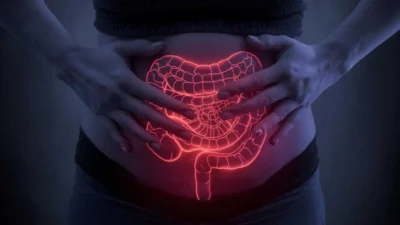
Drinking water is often underestimated as a weight loss tool, yet it plays a crucial role in supporting your body’s natural fat-burning processes. First and foremost, water is essential for proper digestion and nutrient absorption. When your body is dehydrated, digestion slows down, leading to bloating and inefficient processing of calories. Proper hydration ensures that food moves smoothly through the digestive system, helping your metabolism function optimally.
Water also aids in maintaining energy balance. Many people mistake dehydration for fatigue or hunger, which can lead to unnecessary snacking and overeating. By staying hydrated, you reduce the likelihood of confusing thirst with hunger, supporting better portion control.
Another important aspect is water’s effect on fat metabolism. The process of breaking down stored fat into usable energy, called lipolysis, requires water. Without adequate hydration, your body cannot efficiently convert fat into energy, which can slow weight loss efforts.
Finally, drinking water contributes to a sense of fullness, particularly when consumed before meals. This simple strategy can naturally reduce calorie intake without strict dieting. While water alone won’t melt pounds overnight, it acts as a powerful support system for your body—enhancing metabolism, controlling appetite, and improving digestion—making it an essential part of any effective weight loss plan.
Water and Appetite Control
One of the most practical ways drinking water can support weight loss is through appetite control. Often, the body confuses thirst with hunger, leading people to eat when they really just need hydration. Drinking a glass of water before meals can help distinguish between true hunger and thirst, reducing unnecessary calorie intake.
Several studies show that consuming water 30 minutes before a meal can help you feel fuller faster, leading to smaller portion sizes. For example, a study involving middle-aged and older adults found that participants who drank water before meals ate fewer calories than those who didn’t. This simple habit can have a measurable impact on daily caloric intake, which adds up over time.
Water also promotes mindful eating. When you sip water throughout a meal, it slows down your eating pace, giving your brain time to register fullness. This can prevent overeating, especially during high-calorie meals.
Additionally, staying hydrated throughout the day helps curb snacking driven by false hunger signals. Often, cravings for sugary or high-calorie foods arise from mild dehydration. By keeping a water bottle handy and sipping regularly, you can reduce these unnecessary cravings.
While water isn’t a replacement for a balanced diet, it is a simple, natural tool to help regulate appetite, control portions, and prevent mindless snacking—key factors in achieving sustainable weight loss.
Does Water Boost Metabolism?
Drinking water can slightly increase the number of calories your body burns, a process known as thermogenesis. When you consume water, your body expends energy to heat the liquid to body temperature, which temporarily boosts metabolism. Research suggests that drinking about 500 ml (roughly 17 ounces) of water can increase calorie burning by 24–30% over the following hour. While this effect isn’t massive, it adds up when combined with daily hydration habits.
Cold water is often touted as a “fat-burning hack,” and there is some truth to this. The body uses additional energy to warm cold water to internal body temperature, slightly increasing calorie expenditure. However, the difference is modest and shouldn’t replace diet or exercise strategies.
Water also plays an indirect role in metabolism by supporting the chemical processes in the body that convert food into energy. Dehydration can slow these processes, making calorie utilization less efficient. In contrast, staying well-hydrated ensures that fat metabolism, digestion, and nutrient absorption function at their best.
While drinking water alone won’t dramatically speed up weight loss, incorporating it consistently can provide a small but meaningful boost to daily calorie expenditure. Paired with healthy eating and regular exercise, hydration becomes a supportive tool that enhances overall metabolic efficiency and helps your weight loss efforts over time.
Replacing Sugary Drinks with Water
One of the simplest ways to leverage water for weight loss is by replacing high-calorie beverages with plain water. Sugary drinks like soda, fruit juice, and energy drinks are packed with calories and sugar, which contribute to weight gain and increased fat storage. Even seemingly “healthy” fruit juices can contain as many calories as a small meal, making it easy to consume extra calories without realizing it.
By swapping these beverages for water, you can significantly reduce your daily caloric intake without making major changes to your diet. For example, replacing a single 12-ounce soda with water can save approximately 150 calories. Over a week, this adds up to over 1,000 calories—enough to make a noticeable difference in weight management.
Water also supports blood sugar regulation, which is crucial for controlling cravings. Sugary drinks can spike blood sugar levels, leading to an energy crash and more hunger shortly afterward. Drinking water instead keeps blood sugar stable, reduces energy swings, and helps you avoid mindless snacking.
Another benefit is improved hydration during meals. When you drink water instead of sugary drinks, your body focuses on processing food efficiently rather than managing excess sugar. This enhances digestion and supports metabolism, further aiding weight loss.
Replacing sugary beverages with water is an easy, sustainable habit. It not only cuts unnecessary calories but also supports overall health, hydration, and long-term weight management—making it one of the most effective lifestyle changes for losing weight naturally.
How Much Water Should You Drink to Lose Weight?
Knowing how much water to drink is key to maximizing its weight loss benefits. While the “8 glasses a day” rule is common, individual needs vary based on body weight, activity level, climate, and overall health. A general guideline suggests drinking about 30–35 ml of water per kilogram of body weight. For example, a 70 kg (154 lbs) person would need roughly 2–2.5 liters per day.
For those trying to lose weight, timing matters as much as quantity. Drinking water 30 minutes before meals can help curb appetite and prevent overeating, while sipping water consistently throughout the day maintains hydration and reduces false hunger cues. Athletes or highly active individuals require additional fluids to replace sweat loss.
Listening to your body is also essential. Signs of adequate hydration include light-colored urine, normal energy levels, and minimal feelings of thirst. On the other hand, dark urine, fatigue, or headaches can indicate dehydration, which may slow metabolism and increase the risk of overeating.
It’s important to balance water intake with electrolytes, especially during prolonged exercise or hot weather, to avoid overhydration or hyponatremia—a rare but serious condition.
In short, aim for consistent hydration tailored to your body and activity level. By drinking enough water daily, you support metabolism, enhance fat breakdown, and improve appetite control—making it a foundational habit in any effective weight loss plan.
Best Times to Drink Water for Weight Loss
Timing your water intake can amplify its effects on weight loss. While staying hydrated throughout the day is essential, certain moments offer extra benefits. Drinking water first thing in the morning helps kickstart metabolism after several hours of fasting during sleep. It also rehydrates the body, flushes out toxins, and primes digestion for the day ahead.
Another key time is before meals. Consuming a glass of water 20–30 minutes prior to eating can create a feeling of fullness, helping you eat smaller portions naturally. This simple habit can reduce overall calorie intake without requiring strict dieting or portion tracking.
During workouts or physical activity, staying hydrated is crucial. Water regulates body temperature, prevents fatigue, and supports optimal energy levels. Proper hydration during exercise ensures your body burns calories efficiently and maintains endurance, both of which are important for weight loss.
Additionally, drinking water between meals helps manage cravings and prevents mindless snacking. Many people reach for high-calorie snacks simply because they are mildly dehydrated. Sipping water regularly keeps hunger signals in check and maintains energy balance throughout the day.
Finally, staying hydrated in the evening can support digestion and prevent late-night snacking. However, it’s best to avoid excessive intake right before bed to prevent sleep disruptions.
By strategically drinking water at these key times—morning, before meals, during activity, and between meals—you can enhance appetite control, metabolism, and overall weight loss results naturally.
Common Myths About Water and Weight Loss
While water is essential for supporting weight loss, several myths have caused confusion. One common misconception is that drinking excessive water will magically melt fat. While water can slightly boost metabolism and reduce appetite, it cannot replace a healthy diet or exercise. Overhydration does not accelerate fat loss beyond what your body naturally burns.
Another myth is the idea of “detox water” as a weight loss miracle. Many flavored water recipes claim to flush out toxins or burn fat quickly. While water does support kidney and liver function, which helps naturally eliminate waste, no beverage can directly detoxify your body or burn fat instantly. Weight loss comes from a sustained calorie deficit and healthy lifestyle choices.
Some people believe that the more water you drink, the faster you’ll lose weight. Drinking water beyond your body’s needs can be counterproductive and even dangerous, potentially leading to water intoxication (hyponatremia). Balance is key: consistent, adequate hydration supports metabolism and appetite control without overloading your system.
Finally, there’s the myth that drinking water alone is enough for weight loss. While water is a valuable tool, it works best in combination with a balanced diet, regular exercise, and proper sleep. Relying solely on water without addressing these factors will limit results.
Understanding the facts about water and weight loss helps separate truth from hype. By debunking these myths, you can focus on hydration as a practical, safe, and effective part of a sustainable weight loss plan.
Practical Tips to Use Water for Weight Loss
Incorporating water into your daily routine doesn’t have to be complicated. With a few simple strategies, you can make hydration a powerful tool for weight loss. First, keep a water bottle handy at all times. Having water within reach reminds you to sip throughout the day, ensuring consistent hydration and helping curb unnecessary snacking caused by mild dehydration.
Drink water before meals. A glass of water 20–30 minutes before eating can create a sense of fullness, which may reduce the number of calories you consume. This habit is especially useful for people trying to control portion sizes naturally.
Track your water intake. Many apps and smart bottles can help you monitor how much water you’re drinking each day. Tracking ensures you meet your personal hydration goals, which may vary depending on body weight, activity level, and climate.
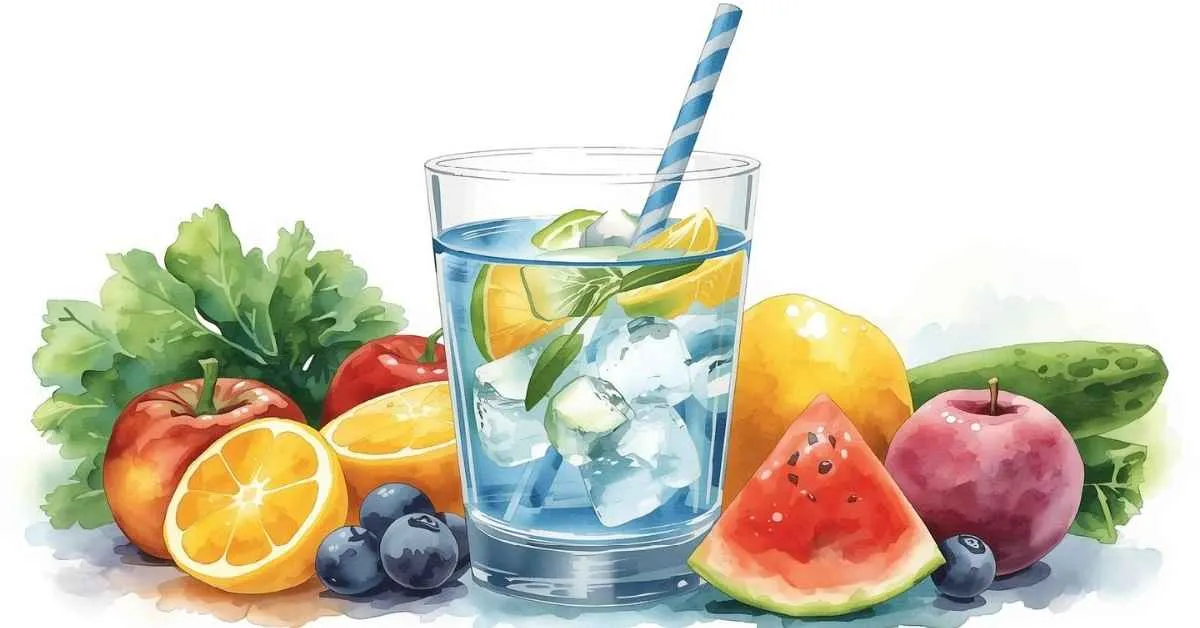
Add natural flavors if plain water feels boring. Slices of lemon, cucumber, or fresh mint can make drinking water more enjoyable without adding calories. Avoid sugary drinks or artificial flavorings that can sabotage weight loss efforts.
Finally, pair water with other healthy habits. Use it as a replacement for high-calorie beverages, during workouts, or as part of mindful eating practices. By making water a consistent and intentional part of your lifestyle, you’ll not only stay hydrated but also support metabolism, control appetite, and enhance your overall weight loss journey.
Potential Risks of Drinking Too Much Water
While water is essential for health and weight loss, overconsumption can be harmful. Drinking excessive amounts in a short period can lead to water intoxication, also known as hyponatremia, a condition where sodium levels in the blood become dangerously low. This imbalance can cause symptoms such as nausea, headaches, confusion, and in severe cases, seizures or even death. Though rare, it highlights the importance of moderation and listening to your body.
Most healthy adults can safely follow general hydration guidelines without risk. Factors like body weight, activity level, climate, and overall health affect how much water is appropriate. Athletes or people in hot environments may need more fluids, while sedentary individuals may require less.
Another consideration is timing. Drinking large quantities of water right before bedtime may disrupt sleep due to frequent trips to the bathroom. Similarly, consuming excessive water during meals can dilute stomach acids, potentially affecting digestion and nutrient absorption.
The key takeaway is that balance is essential. Aim for consistent, adequate hydration rather than forcing large amounts in one sitting. Signs you’re drinking enough include light-colored urine, stable energy, and minimal feelings of thirst.
In short, water is a safe and effective aid for weight loss when consumed appropriately. Understanding your body’s needs and avoiding extremes ensures that hydration supports your metabolism, appetite control, and overall health without introducing unnecessary risks.
Combining Water Intake with Other Weight Loss Strategies
While drinking water is a helpful tool for weight loss, it works best when combined with other healthy lifestyle habits. Hydration alone won’t produce dramatic results, but paired with proper diet, exercise, and sleep, it can enhance your efforts and make weight loss more sustainable.
A balanced diet is key. Eating plenty of fiber, lean proteins, and whole foods supports digestion and satiety, and water complements these nutrients by aiding nutrient absorption and keeping the digestive system running smoothly. Replacing high-calorie beverages with water further reduces overall calorie intake, reinforcing the effects of a healthy diet.
Regular physical activity also boosts the benefits of hydration. Water helps maintain energy levels during exercise, regulates body temperature, and supports fat metabolism. Proper hydration ensures you can exercise efficiently, burn calories effectively, and recover faster.
Adequate sleep and stress management are often overlooked but are critical for weight loss. Dehydration can increase fatigue and stress, making it harder to stick to diet and exercise plans. Drinking enough water, along with good sleep and stress reduction techniques, helps maintain hormonal balance, control cravings, and support metabolism.
In short, water should be seen as a supporting player in your weight loss strategy. When combined with a healthy diet, consistent exercise, and lifestyle balance, proper hydration enhances fat burning, appetite control, and overall wellbeing, making it easier to achieve and maintain your weight loss goals.
Conclusion
Drinking water is a simple yet powerful tool that can support weight loss when used correctly. While it is not a magic solution that burns fat on its own, staying adequately hydrated helps regulate appetite, improve digestion, and slightly boost metabolism. Replacing sugary drinks with water further reduces unnecessary calories, making it easier to maintain a calorie deficit without feeling deprived.
Timing and consistency are also important. Drinking water before meals, during workouts, and throughout the day can help control cravings, increase feelings of fullness, and support your body’s natural fat-burning processes. It is essential, however, to avoid overconsumption, as excessive water intake can lead to imbalances in electrolytes and potential health risks.
The key takeaway is that water works best as part of a holistic weight loss approach. Combining proper hydration with a balanced diet, regular physical activity, and adequate sleep creates a foundation for sustainable results. By understanding the science behind hydration and adopting practical water-drinking habits, you can make a meaningful difference in your weight management journey.
Ultimately, water is an accessible, inexpensive, and healthy tool that everyone can incorporate into daily life. By making small, consistent changes—like drinking a glass of water before meals, carrying a water bottle, and replacing high-calorie drinks—you can leverage hydration as a natural ally in achieving long-term weight loss and overall wellness.