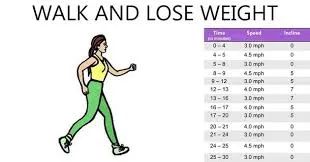
Ever catch yourself staring at your step counter and wondering, How Many Steps Do I Need To Lose Weight, or if it’s just there to judge you?
You’re not alone I’ve had that same “do these steps even count?” moment.
The truth is, walking isn’t magic, but it does work when you understand how to use it right.
No extreme workouts, no fancy equipment, just putting one foot in front of the other. Sounds simple, right?
Let’s break down what those steps actually mean for weight loss and how many you really need before they start making a difference.
How Walking Contributes to Weight Loss
Walking is one of the most accessible forms of exercise, and it plays a significant role in weight loss because it helps create a calorie deficit—the key to shedding pounds. Every step you take burns calories, and over time, these calories add up. For example, a person weighing around 70 kg (154 lbs) can burn approximately 250–300 calories by walking 10,000 steps, depending on pace and terrain. This calorie burn, combined with a healthy diet, can lead to steady and sustainable weight loss.
The intensity and consistency of walking also matter. Brisk walking increases your heart rate, engages more muscles, and boosts metabolism compared to a slow stroll. Over time, regular walking improves cardiovascular health, strengthens muscles, and enhances endurance, which allows you to burn more calories during daily activities and exercise.
Beyond calorie expenditure, walking influences hormones that affect appetite and fat storage. It reduces stress, which can lower cortisol levels and prevent stress-related weight gain. Walking is low-impact, making it ideal for beginners, older adults, and people recovering from injuries.
Ultimately, walking is more than just moving your legs—it’s a simple, sustainable strategy for long-term fat loss. By focusing on step consistency, intensity, and proper nutrition, you can turn daily walking into a reliable tool for reaching your weight loss goals.
How Many Steps Do You Really Need?
The idea of walking 10,000 steps per day has become a popular fitness benchmark, but the truth is that the “perfect” step count for weight loss isn’t one-size-fits-all. Your ideal daily steps depend on factors like your current activity level, weight, age, metabolism, and overall health.
For beginners or sedentary individuals, starting with 5,000 to 7,000 steps per day can already make a noticeable difference in energy expenditure and fat loss. Moderate walkers aiming for gradual weight loss may target 7,000 to 10,000 steps daily, which balances calorie burn with sustainability. Those seeking faster results or more active lifestyles can aim for 10,000 to 12,000 steps or more, though this should be approached gradually to avoid injury or burnout.
It’s important to remember that step quality matters as much as quantity. Brisk walking, incline walking, or interval walking burns more calories than slow, casual steps. Additionally, combining walking with strength training, flexibility exercises, and proper nutrition accelerates results.
Ultimately, rather than focusing solely on hitting a fixed number, track your baseline steps first and aim for a gradual increase each week. This personalized approach ensures your step goal is achievable, sustainable, and effective for long-term weight loss.
How to Calculate Steps for Your Weight Loss Goals
Knowing your ideal step count is one thing, but understanding how it translates to actual weight loss makes your plan more effective. The key is to connect steps with calories burned, since weight loss occurs when you burn more calories than you consume. On average, walking 1,000 steps burns roughly 40–50 calories for a person weighing around 70 kg (154 lbs). This means that 10,000 steps can burn approximately 400–500 calories, though this varies based on weight, walking speed, and terrain.
To calculate your personal step goal, start by tracking your current daily steps for a few days using a smartphone or step tracker. This gives you a baseline. Next, decide how many calories you want to burn through walking. For example, a daily deficit of 500 calories could be achieved by increasing your steps by 10,000 if your current activity is minimal.
Step intensity matters too. Brisk walking or walking uphill increases calorie expenditure, helping you reach your weight loss goals faster. Some step trackers and apps even estimate calories burned based on your weight, pace, and steps, which can simplify planning.
Remember, walking alone works best in combination with a healthy diet. By knowing both your baseline steps and the calories you need to burn, you can set realistic, achievable step goals that align with your weight loss targets. Over time, this method ensures consistent results without overexertion.
Tips to Increase Your Step Count
Increasing your daily steps doesn’t have to mean spending hours on a treadmill. Small, consistent changes to your routine can add hundreds or even thousands of extra steps each day, helping you burn more calories and support weight loss.
Start by breaking up long periods of sitting. Set a timer to take a short 5–10 minute walk every hour. Walking after meals, especially dinner, not only increases steps but also aids digestion. Use stairs instead of elevators, park farther from entrances, or get off public transport one stop early to naturally add movement.
Incorporating walking into daily tasks is another effective strategy. Run errands on foot, walk your dog, or make household chores more active. Walking meetings or social walks with friends can make exercise enjoyable and less of a chore.
For those aiming to boost intensity, consider brisk walking, power walking, or short walking intervals. Adding variety—like uphill walks, loops around the park, or even light weighted backpacks—can increase calorie burn.
Finally, track your progress with a smartphone app or fitness tracker. Seeing your step count rise can motivate you to hit your goals consistently. Remember, the key is consistency over perfection. Even small increases in daily steps, maintained over weeks and months, lead to measurable weight loss and improved overall health.
Walking Intensity and Fat Loss
Not all steps are created equal when it comes to burning calories and losing weight. The intensity of your walking plays a crucial role in how many calories you burn and how effective your step routine is for fat loss. Slow, leisurely walking burns fewer calories per minute, while brisk walking, power walking, or walking uphill increases your heart rate, engages more muscles, and accelerates calorie expenditure.
One useful way to measure intensity is by your heart rate. For fat-burning benefits, aim for a brisk pace that raises your heart rate to about 50–70% of your maximum. You should feel slightly out of breath but still able to hold a conversation—this is often called the “talk test.” Interval walking, alternating between brisk walking and slower recovery steps, can further increase calorie burn and boost metabolism.
Adding variety can also make a difference. Walking on uneven terrain, climbing stairs, or incorporating light hand weights engages additional muscle groups, helping your body burn more energy and improve strength and endurance. Over time, these small increases in intensity make walking a more effective fat-loss strategy without drastically increasing step count.
Remember, combining intensity with consistency is key. Even moderate-intensity walking performed daily can result in significant fat loss, especially when paired with proper nutrition and lifestyle habits. The goal isn’t just the number of steps but making each step count toward your weight loss journey.
Combining Steps With Nutrition for Faster Results
While walking is an effective way to burn calories and support weight loss, combining it with proper nutrition accelerates results and makes fat loss more sustainable. Weight loss occurs when you maintain a calorie deficit, meaning you burn more calories than you consume. Walking contributes to this deficit, but diet plays an equally important role.
Focus on whole, nutrient-dense foods such as lean proteins, vegetables, fruits, whole grains, and healthy fats. Protein-rich foods help preserve muscle mass while you lose weight, and fiber keeps you fuller for longer, reducing overeating. Pairing walking with balanced meals ensures your body gets the energy it needs without excess calories.
Hydration is also essential. Drinking water before and after walks can improve performance, prevent fatigue, and sometimes curb unnecessary snacking. Avoid the common “rewarding yourself with high-calorie foods” trap after walking, which can offset the calories burned.
For optimal results, track both your step count and your food intake. Apps that monitor calories and physical activity make it easier to stay on target. Remember, walking and nutrition work best as a team: consistent movement paired with mindful eating leads to more predictable, long-term weight loss than relying on walking alone.
By combining these two pillars—activity and nutrition—you create a holistic approach that not only helps you lose weight but also improves overall health, energy levels, and well-being.
How Long Will It Take to See Results?
One of the most common questions when starting a walking routine for weight loss is: how soon will I notice changes? The answer depends on several factors, including your starting weight, daily step count, walking intensity, diet, and overall lifestyle.
For most people, gradual weight loss of about 0.5–1 kg (1–2 pounds) per week is considered safe and sustainable. This means that noticeable changes in weight and body composition may take a few weeks to a couple of months. Walking consistently, combined with a balanced diet, contributes to a steady calorie deficit, which is the foundation for long-term fat loss.
It’s important to track progress beyond the scale. Improvements in energy levels, endurance, mood, and even clothing fit often appear before significant weight changes. For example, you may notice you can walk longer distances, climb stairs more easily, or feel more alert and energized during the day.
Patience and consistency are key. Quick fixes or extreme step goals can lead to burnout or injury, while gradual increases in daily steps and a focus on overall lifestyle habits produce lasting results. Keep track of your daily steps, walking intensity, and food intake, and celebrate small milestones along the way. Over time, these consistent efforts accumulate into meaningful weight loss and improved overall health.
Common Mistakes to Avoid
While walking is a simple and effective way to lose weight, many people make mistakes that can slow progress or even lead to frustration. Being aware of these pitfalls helps you stay on track and make your walking routine more effective.
1. Focusing Only on Step Count: Many people believe that hitting 10,000 steps alone guarantees weight loss. In reality, step quality—such as pace, intensity, and duration—matters just as much. Brisk walking or interval walking burns more calories than slow strolling.
2. Ignoring Nutrition: Walking burns calories, but it cannot offset a poor diet. Consuming high-calorie foods or sugary drinks can easily cancel out the calories burned during your walks. Weight loss requires combining movement with balanced nutrition.
3. Overtraining Too Soon: Increasing your step count too quickly can lead to fatigue, soreness, or injury. Gradually increasing steps and intensity allows your body to adapt safely.
4. Neglecting Rest and Recovery: Adequate sleep and rest days are critical for weight loss. Lack of recovery can increase stress hormones, affect metabolism, and reduce motivation.
5. Comparing Yourself to Others: Everyone’s metabolism, weight, and fitness level are different. Comparing your step count or results to someone else can be discouraging and unnecessary. Focus on your baseline and gradual progress.
By avoiding these common mistakes, you can make walking a sustainable and effective part of your weight loss journey. Consistency, proper nutrition, and gradual progression are far more important than hitting a magic step number every day.
FAQs About Steps and Weight Loss
1. Do I need exactly 10,000 steps to lose weight?
No. The 10,000-step goal is a general guideline, not a strict rule. Weight loss depends on your overall activity, walking intensity, and calorie intake. Many people see results with 7,000–8,000 steps per day, especially if paired with healthy eating.
2. Can walking alone help me lose weight?
Yes, walking can contribute significantly to a calorie deficit and fat loss. However, combining walking with a balanced diet, strength training, and lifestyle habits will produce faster and more sustainable results.
3. Is brisk walking better than running for fat loss?
Both are effective, but brisk walking is lower impact and easier to sustain for longer periods. Running burns more calories per minute, but walking consistently every day can match or exceed running over time in terms of total calorie expenditure.
4. How can I track my steps without a smartwatch?
You can use a smartphone with built-in step-tracking apps or simple pedometers. Many free apps track steps accurately and allow you to set goals, log walks, and monitor trends.
5. How many steps should I aim for if I want faster weight loss?
Advanced walkers can aim for 10,000–12,000+ steps per day, combined with brisk walking or interval training. Always increase gradually to avoid injury, and pair with proper nutrition for best results.
These FAQs address common concerns and provide clarity on step-based weight loss, helping you create a realistic, achievable, and sustainable plan for long-term success.
Conclusion and Action Plan
Walking is one of the simplest, most sustainable ways to lose weight and improve overall health. While the popular 10,000-step goal can be motivating, your ideal daily step count depends on your current activity level, weight, metabolism, and lifestyle. The key is consistency, intensity, and pairing walking with a balanced diet.
To create an effective plan, start by tracking your current daily steps for a few days to establish a baseline. Gradually increase your steps by 500–1,000 per week, aiming for a realistic target based on your goals. Focus on brisk walking, intervals, and small daily activity changes, such as taking stairs or short post-meal walks.
Combine this with healthy eating habits, adequate hydration, and proper rest to maximize fat loss and overall wellness. Track your progress not only by weight but also by endurance, energy levels, and how your clothes fit.
By approaching walking strategically and patiently, you can turn daily steps into a powerful, long-term weight loss tool. Start today, take small steps consistently, and celebrate every milestone along your journey toward a healthier, more active lifestyle.