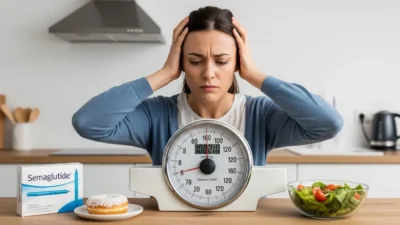
Feeling bloated, puffy, or seeing an unexpected jump on the scale can be frustrating. Most of the time, this sudden weight gain isn’t fat it’s water weight, a temporary accumulation of fluids in your body.
While it can make you feel uncomfortable, the good news is that water weight is usually easy to manage and can be reduced quickly with the right strategies.
Understanding the causes of water retention like high sodium intake, hormonal fluctuations, dehydration, or even a carbohydrate-heavy meal is the first step toward effectively losing it.
Many people wonder how to lose water weight fast, especially before an event or after indulging in salty foods.
Fortunately, safe methods exist that combine hydration, diet adjustments, movement, and natural remedies to help flush out excess water.
In this guide, we’ll cover proven tips and tricks to reduce water retention, improve your comfort, and get your body back to feeling lighter and less bloated.
What Is Water Weight? (250 words)
Before diving into strategies to lose water weight fast, it’s important to understand what water weight actually is. Water weight refers to the extra fluids your body retains in tissues, cells, and blood vessels. Unlike fat, which accumulates slowly over time, water weight can fluctuate daily, causing sudden changes on the scale. This is why you might feel bloated or notice a few extra pounds after eating salty foods or during certain times of the month.
Water retention can occur anywhere in the body, but it’s most noticeable in the hands, feet, ankles, and abdomen. Several factors contribute to this buildup. High sodium intake, for example, causes your body to hold onto extra water to maintain electrolyte balance. Carbohydrate consumption can also increase water storage, as your body stores glycogen with water molecules. Hormonal changes, particularly related to cortisol and estrogen, are common triggers for temporary water retention, especially in women during PMS.
Another important factor is dehydration. It may seem counterintuitive, but when your body isn’t properly hydrated, it holds onto water as a protective mechanism. Understanding these causes helps you differentiate between water weight and fat gain. Unlike fat, water weight can be reduced quickly, sometimes within a day or two, by making simple adjustments to hydration, diet, and lifestyle. Recognizing the difference is key to choosing safe, effective strategies for fast water weight loss.
Common Causes of Water Retention (250 words)
Water retention happens when your body holds onto excess fluids, and understanding the causes is essential for tackling it effectively. One of the most common triggers is high sodium intake. Salt causes your body to retain water to maintain electrolyte balance, which can lead to swelling in the hands, feet, and abdomen. Processed foods, canned meals, and restaurant dishes are often loaded with hidden sodium, making it easy to unintentionally retain water.
Carbohydrate-rich meals are another factor. For every gram of glycogen your body stores, it binds with approximately three grams of water. This is why you might notice a temporary weight spike after eating pasta, bread, or other carb-heavy meals.
Hormonal fluctuations also play a significant role, particularly in women. Changes in estrogen and progesterone during the menstrual cycle can trigger water retention, leading to bloating and puffiness. Stress hormones like cortisol can have a similar effect, encouraging fluid buildup.
Sedentary lifestyle contributes too. Sitting or standing for long periods reduces circulation, making it harder for fluids to move efficiently, especially in the lower extremities.
Finally, dehydration can ironically cause your body to hold onto water as a protective mechanism. Even mild dehydration can lead to noticeable bloating.
By identifying the underlying cause—whether it’s diet, hormones, lifestyle, or hydration—you can target water retention more effectively, rather than using quick fixes that may only offer temporary relief.
How Fast Can You Lose Water Weight Safely? (250 words)
Many people searching for ways to lose water weight fast want immediate results, especially before events or trips. While it is possible to shed several pounds of water in a short period, it’s important to distinguish temporary water loss from fat loss. Losing water weight doesn’t mean you’re burning fat—it simply reduces the fluid your body is holding.
A realistic expectation is 1–5 pounds of water weight over 24 to 72 hours, depending on factors like diet, activity level, and individual physiology. Extreme methods, like severe dehydration or high-dose diuretics, may produce faster results but can be unsafe and harmful. Safe water weight reduction focuses on hydration, balanced diet, and lifestyle adjustments rather than dangerous shortcuts.
Short-term strategies, such as reducing sodium intake, increasing water consumption, and engaging in light exercise, can help your body naturally release excess fluid. These methods not only work quickly but also avoid health risks like dizziness, electrolyte imbalances, or kidney strain.
It’s also important to remember that water weight can return if underlying causes—such as high salt meals or hormonal fluctuations—aren’t addressed. For long-term management, combining these safe strategies with consistent healthy habits ensures that water retention stays under control without compromising overall well-being.
Understanding what’s safe allows you to shed water weight effectively while protecting your health and avoiding the pitfalls of extreme, temporary methods.
Hydration: Drink More Water (250 words)
It may sound counterintuitive, but one of the most effective ways to lose water weight fast is to drink more water. When your body is underhydrated, it goes into survival mode and holds onto every drop of fluid, leading to bloating and water retention. Proper hydration signals your body that it doesn’t need to store excess water, helping flush out fluids naturally.
Aim to drink at least 8–10 cups of water per day, adjusting for activity level, climate, and body size. Spread your water intake throughout the day instead of consuming large amounts at once. Drinking water before meals can also help reduce overeating, which indirectly supports water balance.
Timing matters, too. Start your day with a glass of water to kickstart your metabolism and support kidney function. During workouts, sip water regularly to replace fluids lost through sweat. Even mild dehydration can worsen water retention, so listening to your body’s thirst cues is crucial.
Other hydrating beverages, like herbal teas or infused water, can complement plain water and add variety, but avoid excess sugary drinks, which can contribute to bloating. Additionally, pairing hydration with movement and a balanced diet enhances water elimination and reduces puffiness faster.
By making hydration a priority, you not only reduce water retention but also support digestion, energy levels, and overall wellness. Consistent water intake is one of the safest and most effective ways to shed excess fluid quickly.
Reduce Sodium and Processed Foods (250 words)
One of the most common contributors to water retention is excess sodium intake. Salt causes your body to hold onto water to maintain a proper balance of electrolytes, leading to bloating, puffiness, and temporary weight gain. Many people unknowingly consume too much sodium because it is hidden in processed foods, canned soups, condiments, and restaurant meals.
To reduce water weight quickly, start by cutting back on high-sodium foods for a few days. Opt for fresh fruits, vegetables, lean proteins, and whole grains, which naturally contain less sodium. Reading food labels can also help you identify hidden sources, such as packaged snacks, instant noodles, and frozen meals.
Swapping out table salt for herbs and spices is another effective strategy. Garlic, ginger, lemon, and fresh herbs can enhance flavor without contributing to water retention. Additionally, pairing lower sodium intake with adequate hydration ensures your body can flush excess fluids efficiently.
It’s important to note that reducing sodium doesn’t mean eliminating it completely. Sodium is essential for maintaining fluid balance and nerve function, but moderation is key. A temporary reduction can have noticeable effects on bloating and water weight, helping you feel lighter and more comfortable.
By controlling sodium consumption and prioritizing fresh, minimally processed foods, you create a strong foundation for safe, fast water weight loss while supporting overall health and long-term wellness.
Eat Foods That Help Reduce Water Retention (250 words)
Alongside cutting sodium, incorporating foods that naturally help your body release excess water can accelerate water weight loss. Certain nutrients, like potassium and magnesium, play a key role in balancing fluid levels and reducing bloating.
Potassium-rich foods help counteract the effects of sodium by promoting urine production and fluid balance. Examples include bananas, spinach, sweet potatoes, avocados, and tomatoes. Regularly including these foods in your meals can help your body flush out excess water more efficiently.
Magnesium is another important mineral that can reduce water retention, especially in women experiencing premenstrual bloating. Good sources include nuts, seeds, dark chocolate, leafy greens, and whole grains. Magnesium also supports healthy muscle and nerve function while easing fluid-related discomfort.
Certain natural diuretic foods can further help eliminate excess water. Cucumber, asparagus, celery, and lemon water are known for their mild diuretic properties, encouraging your kidneys to release fluids without causing dehydration. Green tea is another option, offering both hydration and antioxidant benefits.
Additionally, high-fiber foods support digestion and prevent bloating by keeping your gastrointestinal system functioning smoothly. Fruits, vegetables, legumes, and whole grains can reduce water retention caused by constipation or slow digestion.
By combining potassium, magnesium, natural diuretics, and fiber-rich foods, you provide your body with the nutrients it needs to flush out excess water safely, helping you feel lighter, less bloated, and more comfortable within just a few days.
Move Your Body to Flush Out Excess Water (250 words)
Physical activity is a powerful tool for reducing water retention and losing water weight fast. When you move, your muscles contract, which stimulates circulation and helps transport excess fluids back to your heart and kidneys for elimination. Sedentary behavior, on the other hand, allows fluids to pool in your lower extremities, contributing to swelling in the ankles, feet, and legs.
Cardio exercises like walking, jogging, cycling, or swimming increase heart rate and boost overall circulation, helping your body naturally release excess water. Even a brisk 20–30 minute walk daily can make a noticeable difference. For those short on time, high-intensity interval training (HIIT) can promote water loss while burning calories and improving cardiovascular health.
Strength training also plays a role. Muscle contractions during weightlifting or bodyweight exercises improve blood flow and lymphatic drainage, reducing fluid buildup. Yoga and stretching exercises enhance circulation, alleviate bloating, and support lymphatic flow, especially when holding poses that elevate the legs.
Sweating through exercise provides temporary water loss, but pairing it with hydration ensures that fluid levels remain balanced while excess water is flushed naturally. Regular movement also supports kidney function, digestion, and metabolism, all of which contribute to controlling water retention.
Incorporating consistent physical activity into your routine is a safe and effective way to flush out water weight, reduce bloating, and maintain a lighter, more comfortable body without relying on extreme or unsafe methods.
Improve Sleep and Reduce Stress (250 words)
Sleep and stress levels play a surprisingly important role in water retention. When your body experiences chronic stress, it releases the hormone cortisol, which can trigger your kidneys to retain sodium and water, leading to bloating and puffiness. Poor sleep also disrupts hormone balance, affecting fluid regulation and making it harder for your body to release excess water.
Prioritizing quality sleep is one of the simplest ways to combat water retention. Aim for 7–9 hours per night, maintain a consistent sleep schedule, and create a restful environment by keeping your bedroom cool, dark, and quiet. Good sleep helps regulate hormones like cortisol and aldosterone, which control fluid balance in the body.
Stress reduction techniques can further minimize water retention. Practices like deep breathing, meditation, yoga, or mindfulness exercises lower cortisol levels, helping your body release excess fluid naturally. Even small adjustments, such as taking short breaks throughout the day, going for a walk, or listening to calming music, can make a significant difference.
Additionally, managing stress improves digestion and circulation, both of which support fluid balance. Chronic stress and poor sleep not only contribute to bloating but can also trigger cravings for salty foods, compounding water retention.
By combining adequate sleep with stress management, you provide your body with the environment it needs to naturally regulate fluid levels. This helps reduce bloating, supports overall well-being, and complements other strategies for losing water weight safely and effectively.
Natural Remedies That May Help (250 words)
In addition to diet, hydration, exercise, and lifestyle adjustments, several natural remedies can support your body in reducing water retention safely. While these methods may not replace healthy habits, they can enhance the effects of other strategies for losing water weight fast.
Herbal teas are one of the most popular remedies. Teas like dandelion, green tea, and parsley tea act as mild diuretics, encouraging the kidneys to release excess water naturally. Drinking 1–2 cups daily can help reduce bloating and provide additional hydration without harmful side effects.
Epsom salt baths offer another supportive approach. Soaking in a warm bath with Epsom salts allows magnesium to be absorbed through the skin, which may reduce water retention and ease swelling, particularly in the hands and feet. The warm water also promotes circulation, further helping to flush fluids.
Compression garments or elevating swollen feet can aid in reducing fluid buildup in the lower extremities. These methods support proper circulation and prevent pooling of fluids, especially after long periods of sitting or standing.
It’s important to remember that these remedies are supplementary. They work best when combined with hydration, balanced nutrition, exercise, and sleep. Avoid relying solely on diuretic supplements or herbal remedies, as extreme use can disrupt electrolyte balance and cause dehydration.
By incorporating these natural strategies alongside core lifestyle adjustments, you can enhance fluid elimination, reduce bloating, and safely accelerate your water weight loss journey.
What to Avoid When Trying to Lose Water Weight (250 words)
While it’s tempting to try extreme methods to shed water weight quickly, some approaches can be dangerous and counterproductive. Understanding what to avoid is essential for safe, effective results.
Dehydration tactics are one of the most common mistakes. Some people attempt to drink very little water or use excessive sweating methods to drop pounds on the scale. While this may temporarily reduce water weight, it can harm your kidneys, heart, and overall health. Proper hydration is essential for safe water loss.
Overusing diuretics or laxatives is another risky strategy. Prescription or over-the-counter diuretics can cause rapid fluid loss, but frequent use may lead to electrolyte imbalances, fatigue, dizziness, and long-term kidney issues. Natural remedies, like herbal teas, are safer but should still be used in moderation.
Crash diets or extreme fasting are also counterproductive. Severe calorie restriction can temporarily reduce water retention, but it often leads to muscle loss, nutrient deficiencies, and rebound water gain once normal eating resumes.
Excessive salt or carb consumption after a quick water-weight loss can undo your progress almost immediately. Water weight can return quickly if underlying habits aren’t addressed.
The safest approach is a combination of hydration, balanced diet, movement, sleep, and stress management. Avoid shortcuts that compromise health, and instead focus on strategies that promote long-term fluid balance, reduce bloating, and maintain energy levels while helping your body shed water weight effectively.
How Long Does Water Weight Loss Last? (250 words)
One common question when trying to lose water weight fast is how long the results actually last. Unlike fat loss, which requires sustained changes in diet and exercise, water weight is temporary and can fluctuate daily depending on diet, hydration, activity level, and hormones.
Typically, safe water weight reduction methods—like reducing sodium, staying hydrated, and increasing movement—can help you shed 1–5 pounds within 24–72 hours. However, these changes are short-term, and water weight can return if the underlying causes aren’t addressed. For example, eating a high-sodium meal, consuming lots of carbohydrates, or experiencing hormonal fluctuations can quickly cause fluid retention again.
Maintaining consistent hydration and balanced nutrition is key to keeping water retention under control. Drinking enough water, eating potassium- and magnesium-rich foods, and limiting processed foods can help sustain the results. Regular physical activity also supports circulation and lymphatic flow, which minimizes fluid buildup over time.
It’s important to manage expectations: water weight loss is a temporary solution, not a substitute for long-term fat loss or overall health goals. By understanding how water weight works and combining safe strategies with healthy habits, you can enjoy a lighter, less bloated feeling while preventing rebound water retention.
Remember, the goal is to feel comfortable and reduce bloating safely, rather than chasing drastic, unsustainable drops on the scale.
FAQs About Water Weight (250 words)
1. Can you lose water weight overnight?
Yes, it’s possible to shed a small amount of water weight within 24 hours. Strategies like reducing sodium, staying hydrated, moving your body, and consuming natural diuretics can help your body release excess fluid quickly. However, results vary depending on your diet, activity, and individual physiology.
2. Is water weight loss healthy?
When done safely through hydration, diet, and lifestyle adjustments, losing water weight is healthy and temporary. Extreme dehydration or overuse of diuretics is dangerous, but moderate water weight loss can relieve bloating and make you feel lighter.
3. Does sweating mean you are losing water weight?
Yes, sweating during exercise or heat exposure temporarily reduces water weight, but it is not fat loss. Rehydrating after sweating is essential to maintain fluid balance and avoid dehydration.
4. How can you tell if weight gain is water or fat?
Rapid changes on the scale—especially within a day or two—are usually water weight, not fat. Fat gain occurs gradually over weeks or months. Swelling in hands, feet, or abdomen, and bloating after salty meals, are also signs of fluid retention.
5. Can certain foods help reduce water retention?
Yes, potassium-rich foods, magnesium sources, high-fiber foods, and natural diuretics like cucumber, asparagus, and green tea can help your body flush excess water. Combining these foods with hydration and movement accelerates water weight loss safely.
Understanding these FAQs helps you manage expectations, avoid unsafe methods, and adopt practical strategies for feeling lighter, less bloated, and more comfortable.