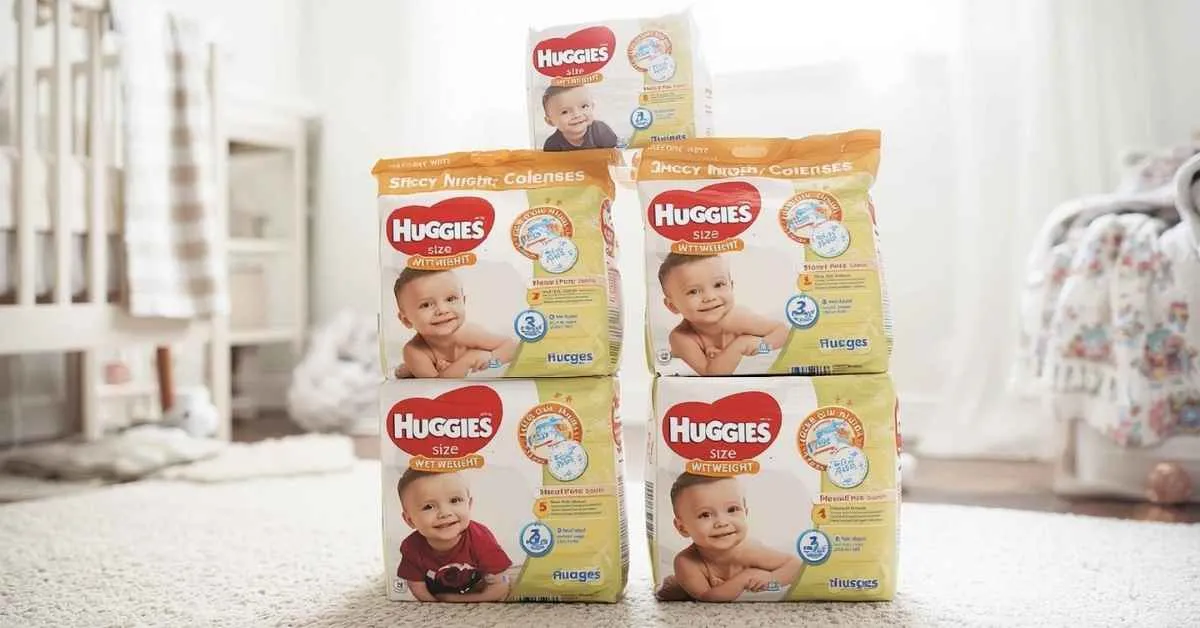
If you’re standing in the baby aisle (or scrolling online) wondering whether Huggies Size 3 Weight is the right fit, trust me you’re not alone.
We’ve all been there, holding a diaper box like it’s a pop quiz we didn’t study for.
One minute your baby fits perfectly, the next you’re dealing with leaks, red marks, or midnight outfit changes.
Size 3 is that in-between stage where things start getting real more wiggles, more mess, more questions.
So let’s break it down, face-to-face, no parenting jargon.
By the end of this, you’ll know exactly if Size 3 is your baby’s sweet spot or if it’s time to size up.
Huggies Size 3 Weight Range
When it comes to choosing the right diaper size, weight is the most reliable guideline. For Huggies Size 3, the recommended weight range is typically 16 to 28 pounds (7 to 13 kilograms). This range makes Size 3 ideal for babies who have outgrown Size 2 but are not yet ready for Size 4. Keep in mind that each baby grows at their own pace, so weight is more important than age when determining the right fit.
Huggies offers several product lines under Size 3, and each may have slight variations in fit and weight range:
| Huggies Product Line | Recommended Weight Range | Special Features |
| Little Snugglers | 16–28 lbs (7–13 kg) | GentleAbsorb Liner, soft material for sensitive skin |
| Snug & Dry | 16–28 lbs (7–13 kg) | LeakLock protection, all-night dryness |
| Overnites | 16–28 lbs (7–13 kg) | Extra absorbency for overnight use |
| Special Delivery | 16–28 lbs (7–13 kg) | Plant-based materials, hypoallergenic |
It’s important to note that every baby is unique. Some may need Size 3 diapers slightly earlier or later depending on body shape, growth spurts, or activity level. Always check the fit by observing the diaper’s snugness around the waist and legs, and watch for any signs of discomfort or leaks. By using the recommended weight range as a guide, parents can ensure that their baby stays dry, comfortable, and happy throughout the day and night.
Signs Your Baby Need a Size Up
Even if your baby’s weight is within the recommended range, there are clear signs that it might be time to move up to Huggies Size 3 or the next size. Paying attention to these indicators can prevent discomfort, leaks, and skin irritation.
- Frequent Leaks or Blowouts
If your baby’s diaper is consistently leaking, especially around the legs or waist, it may be too small. Blowouts can happen even with frequent diaper changes if the fit isn’t right. - Red Marks or Skin Irritation
Diapers that are too tight can leave red marks on your baby’s thighs or stomach. Over time, this can cause irritation or rashes. A diaper that fits snugly but comfortably is key. - Difficulty Fastening Tabs
When the diaper tabs are stretched to their maximum or are hard to secure, it’s a sign the diaper is too small. You want tabs to fasten comfortably without causing pressure. - Restricted Movement
Your baby should be able to move freely in the diaper. If you notice that crawling, rolling, or kicking seems restricted, it might be time for a bigger size. - Growth Spurts
Babies can grow rapidly during certain months. Even if the weight hasn’t reached the upper limit, a sudden growth spurt may require moving up early.
Tip for Parents: Always check the diaper fit before relying solely on the weight range. A quick “pinch test” around the waist and legs can help ensure your baby is comfortable and secure. Watching for these signs will make sure your baby stays dry, happy, and rash-free while using Huggies Size 3.
How Huggies Compares to Other Brands
Choosing the right diaper isn’t just about size—it’s also about brand fit, absorbency, and comfort. Huggies Size 3 is widely popular, but parents often wonder how it stacks up against other top brands like Pampers, Luvs, or Honest Company.
1. Weight Ranges
Huggies Size 3 is recommended for babies weighing 16–28 lbs (7–13 kg). Pampers Cruisers Size 3 generally cover a similar range, but some Pampers lines may start slightly lower at 14 lbs. Luvs Size 3 typically fits 16–28 lbs as well, while Honest Company Size 3 may run a bit smaller depending on the style.
2. Fit and Comfort
Huggies diapers are known for their snug yet flexible fit, with stretchy sides and soft materials. Pampers Cruisers are slightly roomier in the leg area, which may benefit active babies. Luvs tend to be thinner but offer good leak protection. Honest Company diapers are eco-friendly and hypoallergenic, often softer but pricier.
3. Absorbency
Huggies Snug & Dry and Overnites provide excellent overnight protection. Pampers Swaddlers are soft and absorbent for daytime use. Luvs use LeakGuard technology, offering reliable performance at a lower price point.
4. Pricing
Huggies is mid-range, offering good quality for the cost. Luvs are budget-friendly, while Pampers and Honest Company are slightly more expensive depending on the line.
Comparison Table:
| Brand | Weight Range | Fit | Absorbency | Price |
| Huggies | 16–28 lbs | Snug | High | Mid-range |
| Pampers | 14–28 lbs | Roomy | High | Higher |
| Luvs | 16–28 lbs | Slim | Medium | Budget |
| Honest Co. | 16–28 lbs | Soft | High | Premium |
Understanding these differences can help parents choose the best diaper for their baby’s shape, activity level, and budget, ensuring comfort and protection.
Tips for Transitioning Between Sizes
Moving your baby from one diaper size to the next can be smooth if done carefully. Even within the Huggies Size 3 weight range, some babies may need to transition early or later depending on growth patterns. Here are practical tips to ensure a comfortable and hassle-free switch.
1. Gradual Transition
Start by mixing a few Size 3 diapers with the current size for a couple of days. This allows your baby to adjust to the new fit without overwhelming them or causing leaks.
2. Check the Fit
Ensure the diaper sits snugly around the waist and legs without leaving red marks. The tabs should fasten easily, and the baby should be able to move freely. If the diaper is too tight or loose, adjust accordingly.
3. Keep a Few Old Diapers
During the transition, keep some of the previous size on hand for emergencies. This is especially helpful during sudden growth spurts or overnight changes.
4. Monitor for Leaks and Comfort
Observe your baby for any leaks or discomfort in the first few days. If leaks are frequent or your baby seems irritated, consider trying a different Huggies line within Size 3 or checking the fit again.
5. Donate or Store Unused Diapers
Any unused diapers from the old size can be stored for future use or donated to parents in need. This ensures nothing goes to waste.
Tip for Parents: Babies grow quickly, and each transition is unique. By monitoring fit, comfort, and absorbency, you can make moving to Huggies Size 3 seamless, keeping your baby dry, happy, and comfortable throughout the day and night.
Full Huggies Size Chart Overview
Understanding the full Huggies size chart helps parents plan ahead and know when to transition between sizes. Huggies diapers are designed to fit babies at different growth stages, from newborn to toddler, based primarily on weight rather than age.
| Huggies Size | Weight Range | Approx. Age | Notes |
| Newborn (N) | Up to 10 lbs | 0–1 month | Soft and gentle, ideal for sensitive skin |
| Size 1 | 8–14 lbs | 0–3 months | Perfect for small infants |
| Size 2 | 12–18 lbs | 3–6 months | Popular choice as babies grow |
| Size 3 | 16–28 lbs | 5–24 months | Fits most growing babies; daily & overnight use |
| Size 4 | 22–37 lbs | 18–36 months | Ideal for active toddlers |
| Size 5 | 27+ lbs | 2–4 years | Designed for toddlers on the move |
| Size 6 | 35+ lbs | 3+ years | For older toddlers, maximum absorbency |
Where Size 3 Fits:
Size 3 is a mid-range diaper, bridging the gap between smaller infant diapers and larger toddler sizes. Most babies wear Size 3 between 5 months and 24 months, though some may transition earlier or later depending on their growth.
Tips for Parents:
- Always prioritize weight and fit over age.
- Check the diaper’s snugness around the waist and thighs.
- Use Size 3 for both daytime and overnight protection; some Huggies lines are better for overnight absorbency.
- Keep an eye on growth spurts; babies may move to Size 4 sooner than expected.
By using this chart as a guide, parents can ensure a comfortable, leak-free experience for their baby and make the right choices at each stage of growth.
Average Number of Diapers for Size 3
Once your baby moves into Huggies Size 3, understanding how many diapers to use each day can help parents stay prepared and avoid running out. The number of diapers a baby depends on age, weight, activity level, and how often they are fed.
On average, babies wearing Size 3 diapers (16–28 lbs / 7–13 kg) go through about 5 to 7 diapers per day. Younger babies at the lower end of the weight range may require more frequent changes due to sensitive skin and more frequent urination. As babies grow and their bladder capacity increases, the number of daily diaper changes may decrease slightly.
Overnight Use:
Some Huggies Size 3 diapers, like Snug & Dry or Overnites, are designed for extended absorbency. Many parents find that one overnight diaper is sufficient, though very heavy wetters may need two for full protection.
Tips for Parents:
- Always have a small extra supply on hand, especially during travel or growth spurts.
- Check diapers frequently for wetness or soiling; a snug, dry diaper prevents leaks and diaper rash.
- Consider keeping a pack in multiple rooms (nursery, living room, diaper bag) for convenience.
By knowing the average usage, parents can plan purchases more efficiently, avoid last-minute runs to the store, and ensure their baby stays dry and comfortable throughout the day and night.
Huggies Size 3 for Special Need or Situations
While Huggies Size 3 fits most babies between 16–28 lbs, some infants have special or unique situations that require extra attention when choosing a diaper. Understanding these considerations can help parents ensure comfort, protection, and healthy skin.
1. Premature or Low-Weight Babies
Some babies may be smaller than average but approaching the upper end of Size 2. In these cases, it may be appropriate to try Size 3 early, as long as the diaper fits snugly without leaving gaps or causing pressure marks. Always monitor the fit around the waist and legs.
2. Heavier Babies
Babies near the upper weight limit of 28 lbs may benefit from moving up to Size 4 for better comfort and to prevent leaks. Huggies Size 3 can still work temporarily, but frequent checks are important.
3. Overnight or Long Periods Between Changes
Some babies are heavy wetters or sleep long stretches at night. Huggies Overnites Size 3 offers extra absorbency to keep babies dry, reducing diaper rash and discomfort.
4. Sensitive Skin or Eczema-Prone Babies
Certain Huggies lines, like Little Snugglers, are hypoallergenic and include a soft liner to protect delicate skin. Parents of babies with eczema or skin sensitivities may prefer these options.
Tip for Parents: Every baby is unique. While the weight range provides guidance, fit, comfort, and absorbency are key factors. Observing your baby’s comfort, checking for leaks, and choosing the right Huggies line can ensure a positive diapering experience for both baby and parent.
Frequently Asked Questions (FAQ) about Huggies Size 3
Parents often have questions when their baby reaches the Huggies Size 3 weight range (16–28 lbs). Here are some of the most common queries and answers to help you make informed decisions.
1. Can my baby wear Size 3 if they are below 16 lbs?
While Huggies recommends Size 3 starting at 16 lbs, some smaller babies may fit if the diaper closes comfortably without leaving gaps. Always prioritize fit over weight to avoid leaks or discomfort.
2. How long can a baby stay in Size 3?
Most babies wear Size 3 from about 5 months to 24 months, but this varies based on growth, activity level, and body shape. Monitor weight and diaper fit regularly.
3. Are Size 3 diapers suitable for overnight use?
Yes! Huggies Overnites and Snug & Dry lines provide excellent overnight protection. For very heavy wetters, a double diaper change before bedtime may be necessary.
4. How many diapers does a baby typically use per day?
Babies in Size 3 typically need 5–7 diapers daily, with slightly fewer changes for older or more bladder-trained toddlers.
5. How do Huggies compare to Pampers or other brands?
Huggies Size 3 fits snugly, with excellent leak protection. Pampers Cruisers may offer a slightly roomier fit, while Luvs are thinner but budget-friendly. Choosing depends on your baby’s shape, absorbency , and comfort.
6. When should I move to Size 4?
If your baby exceeds 28 lbs, shows leaks despite proper fit, or leaves red marks around the legs, it’s time to transition to Size 4 for comfort and protection.
By keeping these FAQs in mind, parents can confidently select the right Huggies Size 3 diaper and ensure their baby stays dry, happy, and comfortable throughout the day and night.
Tips for Buying Huggies Size 3
Buying the right diaper size is more than just picking up a pack from the store. For Huggies Size 3, a few simple strategies can help ensure you get the best fit, quality, and value for your baby.
1. Check the Weight Guidance on Packaging
Always look at the weight range on the box before purchasing. Huggies Size 3 is typically recommended for babies 16–28 lbs (7–13 kg), but different product lines, such as Little Snugglers, Snug & Dry, or Overnites, may have slight variations. Make sure the diapers you buy match your baby’s current weight.
2. Consider Your Baby’s Activity Level
Active babies who crawl, roll, or walk may need diapers with extra stretch and a snug fit. Huggies Snug & Dry or Little Snugglers provide flexibility for movement while preventing leaks.
3. Decide Between Daytime and Overnight Use
Some Huggies Size 3 diapers, like Overnites, are specially designed for nighttime use. For heavy wetters or long stretches without changes, consider buying overnight diapers separately.
4. Online vs In-Store
Buying online can be convenient, especially in bulk, but check the product line carefully. In-store shopping allows you to compare packaging, features, and quantity.
5. Bulk Buying and Storage
Purchasing in bulk can save money, but make sure your baby is comfortably within Size 3. Storing unopened packs in a dry, cool place helps maintain diaper quality.
6. Try Different Huggies Lines
If your baby experiences leaks or discomfort, don’t hesitate to try another Huggies line within Size 3. Every baby’s shape is unique, and the right line can make a big difference.
By following these tips, parents can confidently buy Huggies Size 3 diapers that provide comfort, protection, and convenience for both baby and caregiver.