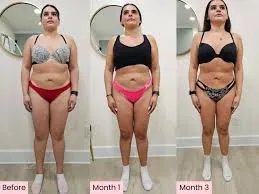
If you’ve been scrolling through social media and seeing those Ozempic weight loss before and after photos, you’re definitely not alone.
It feels like everyone suddenly has a story, a picture, or a dramatic transformation to share.
But behind those side-by-side images, there’s a lot more going on than just a quick injection and instant results.
Some changes are impressive, some are subtle, and some come with real challenges.
So let’s talk about Ozempic honestly what those before and after moments really mean, and whether the hype matches real life.
What is Ozempic and How It Works for Weight Loss
Ozempic is a prescription medication that contains semaglutide, a type of GLP-1 receptor agonist. It was originally developed and FDA-approved to help manage type 2 diabetes by regulating blood sugar levels. Over time, researchers and patients noticed another effect: significant weight loss. This has led to its growing popularity among individuals looking for effective ways to manage their weight.
The way Ozempic promotes weight loss is multi-faceted. First, it slows down gastric emptying, meaning food stays in the stomach longer, which helps you feel fuller for an extended period. This naturally reduces the amount of food consumed during meals. Second, Ozempic works directly on the brain’s appetite centers to suppress hunger and curb cravings, particularly for high-calorie or sugary foods. Together, these effects make it easier for individuals to maintain a calorie deficit, which is essential for weight loss.
It’s important to note that Ozempic alone is not a magic solution. While many people experience noticeable results, combining the medication with a balanced diet and regular exercise significantly enhances its effectiveness. Weight loss varies by individual, and factors like starting weight, lifestyle habits, and adherence to the prescribed dosage play a major role in the outcome.
Clinical Studies and Ozempic Weight Loss Results
Several clinical studies have highlighted the effectiveness of Ozempic for weight loss, particularly among people with type 2 diabetes or obesity. In these trials, participants taking semaglutide experienced significant reductions in body weight compared to those on placebo or standard treatments. On average, people lost 5% to 10% of their starting body weight within the first three months, and many continued to see improvements over six months to a year when combined with diet and exercise.
One major study found that participants on Ozempic lost up to 15 pounds (around 7% of body weight) over 12 weeks, with some achieving even higher results over a longer period. Another trial comparing Ozempic to lifestyle changes alone showed that medication users consistently experienced faster and more noticeable reductions in body fat, waist circumference, and BMI.
It’s important to remember that results vary depending on factors such as dosage, age, gender, starting weight, and adherence to diet and exercise. For example, higher maintenance doses tend to produce more pronounced weight loss, but may also increase the risk of side effects.
These studies confirm that Ozempic can be a powerful tool for weight loss, but it works best when combined with healthy habits. Understanding the typical timeline of results helps set realistic expectations and motivates users to stay consistent with their treatment plan.
Ozempic Weight Loss Timeline & What to Expect
For many people, understanding the typical Ozempic weight loss timeline is crucial for setting realistic expectations. Weight loss does not happen overnight, and results vary depending on dosage, lifestyle, and individual metabolism.
Weeks 1–4: Most users begin noticing changes in appetite rather than significant weight loss. Ozempic helps reduce cravings and increases feelings of fullness, making it easier to stick to a lower-calorie diet. Some individuals may experience minor weight reductions during this period, often between 2–5 pounds, depending on starting weight and eating habits.
Month 2–3: By the second and third months, more noticeable results often appear. Many users see reductions in waist circumference and body fat, along with visible changes in clothing fit. Weight loss can range from 5–10 pounds or more during this stage, especially when combined with consistent diet and exercise.
Months 4–6: This is usually when the most significant before and after transformations occur. Users may experience double-digit weight loss, improved energy levels, and better overall body composition. Some report changes in facial appearance, such as a slimmer jawline or reduced puffiness, which adds to the visual impact of the transformation.
Beyond 6 months: Continued progress depends on lifestyle habits and adherence to Ozempic. Some users experience a plateau, which is normal, while others maintain steady weight loss with proper nutrition and activity.
Understanding this timeline helps manage expectations and reduces frustration, emphasizing that consistent use of Ozempic combined with healthy habits delivers the best long-term results.
Real Before and After Examples
Many people turn to Ozempic not just for its medical benefits, but for the visible transformations it can support. Real-life examples highlight the effectiveness of semaglutide when combined with healthy habits. While individual results vary, typical before and after changes often include weight reduction, slimmer waistlines, and improved overall body composition.
For instance, users report losing anywhere from 10 to 25 pounds within the first 3–4 months, with some achieving 30–40 pounds over six months. Beyond the scale, clothing size changes are a common milestone—shifting from a size 12 to a size 10 or even smaller. Facial transformations are also notable; many users observe a reduction in facial puffiness and a more defined jawline.
These results are usually amplified when paired with dietary adjustments like increased protein intake, reduced sugar consumption, and regular physical activity. Many success stories emphasize that the combination of Ozempic with consistent lifestyle changes produces more sustainable and dramatic results than medication alone.
Social media platforms are full of inspiring Ozempic before and after photos, which provide motivation but can sometimes set unrealistic expectations. It’s important to remember that weight loss is individual, and comparing yourself to others may not reflect your unique timeline or body composition.
These examples demonstrate that, while Ozempic can be highly effective, realistic expectations, patience, and a balanced approach are key to achieving noticeable and lasting transformations.
Dosage and Its Effect on Weight Loss
The effectiveness of Ozempic for weight loss is closely tied to dosage, and understanding how to properly use the medication is crucial for achieving results. Ozempic is typically started at a lower dose of 0.25 mg once weekly for the first four weeks. This initial dose is designed to allow the body to adjust and minimize side effects like nausea or digestive discomfort. At this stage, most people notice reduced appetite and minor weight changes, but significant transformations are rare.
After the first month, the dose is usually increased to 0.5 mg once weekly, which is considered the maintenance dose for many users seeking weight loss. At this level, appetite suppression is stronger, and noticeable weight loss often begins. Users may experience more consistent weekly weight reductions and a clearer impact on body composition, including reduced abdominal fat and slimmer limbs.
In some cases, doctors may further increase the dose to 1 mg weekly for individuals who are not experiencing sufficient results and can tolerate the medication without severe side effects. Higher doses can accelerate weight loss but also increase the likelihood of nausea, vomiting, or gastrointestinal discomfort.
It’s important to remember that dosage alone does not guarantee results. Optimal weight loss occurs when Ozempic is paired with healthy eating, regular exercise, and lifestyle changes. Consistency, patience, and working closely with a healthcare provider ensure that you achieve the most effective and safe outcomes.
Diet and Lifestyle for Maximum Results
While Ozempic is highly effective at reducing appetite and supporting weight loss, combining it with healthy diet and lifestyle habits maximizes results and ensures sustainability. Medication alone may produce weight changes, but the most significant transformations occur when lifestyle adjustments are included.
A balanced, nutrient-rich diet is key. Prioritize high-protein foods like lean meats, fish, eggs, and legumes, which help maintain muscle mass while promoting satiety. Incorporating plenty of vegetables and whole grains provides essential nutrients and fiber, which further supports appetite control. Limiting processed foods, sugary drinks, and refined carbohydrates enhances the calorie-deficit effect that Ozempic facilitates.
Regular physical activity is equally important. Cardiovascular exercises such as walking, swimming, or cycling help burn calories, while strength training preserves lean muscle and improves metabolism. Even moderate activity like daily walking or stretching can support weight management and overall well-being.
Lifestyle factors like adequate sleep, stress management, and hydration also play a role. Poor sleep or high stress can increase hunger hormones, counteracting the appetite-suppressing effects of Ozempic. Drinking enough water helps with satiety and supports digestion.
Ultimately, users who integrate healthy eating, consistent exercise, and mindful habits alongside Ozempic see the most impressive before and after results. Medication creates the potential for weight loss, but lifestyle choices determine how sustainable and visible those changes will be over time.
Side Effects That Impact Weight Loss
While Ozempic can be highly effective for weight loss, it’s important to be aware of potential side effects that can influence results. The most common side effects are gastrointestinal, including nausea, vomiting, diarrhea, constipation, and abdominal discomfort. These effects are usually most pronounced during the first few weeks of treatment, especially as the body adjusts to the medication. For some users, these symptoms may temporarily reduce appetite even further, accelerating early weight loss. However, persistent side effects can make it difficult to maintain proper nutrition and hydration, which may slow progress.
Other possible side effects include fatigue, headaches, or dizziness, which can indirectly impact weight loss if they reduce the ability to exercise or stay active. Rarely, more serious issues like pancreatitis or gallbladder problems may occur, underscoring the importance of medical supervision.
Managing side effects can help maintain consistent progress. Strategies include starting at a low dose, taking the medication at the same time each week, eating smaller meals, and staying well-hydrated. In some cases, adjusting meal composition, such as avoiding high-fat foods initially, can reduce nausea.
Understanding that side effects are often temporary and manageable helps users stay consistent with Ozempic. By addressing them proactively, it’s possible to continue steady, sustainable weight loss and achieve the desired before and after transformations without major setbacks.
Analysis of Ozempic Before and After: What’s Realistic
While many Ozempic users share dramatic before and after transformations, it’s essential to maintain realistic expectations. Weight loss varies significantly between individuals due to factors like starting weight, metabolism, dosage, diet, exercise, and consistency with the medication. Not everyone will achieve double-digit pound loss in a few months, and progress may be gradual rather than immediate.
On average, most users experience 5–10% of body weight loss within 3–6 months, with more substantial results possible for those who combine Ozempic with lifestyle changes. Visible changes in clothing size, waist circumference, and facial appearance often accompany these numbers, which is why before and after photos are compelling. However, social media posts sometimes highlight extreme cases that may not represent typical outcomes.
It’s also important to distinguish between fat loss and overall weight loss. Early weight changes may include water weight or reduced bloating, while sustained fat loss occurs over several months. Users should monitor not only the scale but also body measurements, photos, and how their clothes fit to get a complete picture of progress.
Ultimately, Ozempic is a powerful weight loss tool, but its effectiveness depends on consistent use, realistic expectations, and lifestyle support. By understanding what’s achievable, users can stay motivated, avoid frustration, and focus on sustainable, healthy results rather than quick fixes.
Ozempic vs Other Weight Loss Drugs
Ozempic is often compared to other weight loss medications, such as Wegovy and Mounjaro, because all three target appetite and metabolism in different ways. Understanding these differences can help users choose the option that best fits their goals and lifestyle.
Ozempic vs Wegovy: Both medications contain semaglutide, but Wegovy is specifically FDA-approved for weight loss at higher doses. While Ozempic at standard doses produces noticeable results, Wegovy’s higher dosing often leads to slightly greater average weight loss over the same time frame. However, Wegovy may also carry a higher risk of side effects, such as nausea and digestive discomfort.
Ozempic vs Mounjaro: Mounjaro (tirzepatide) is a newer medication that targets two hormones, GLP-1 and GIP, compared to Ozempic’s single GLP-1 action. Clinical trials suggest that Mounjaro can lead to faster and more significant weight loss, but it is newer on the market and may be less accessible. Side effects are similar, with gastrointestinal issues being most common.
Pros of Ozempic: Clinically proven, easier to access than some newer drugs, and helps regulate blood sugar.
Cons of Ozempic: Weight loss may be slower than Wegovy or Mounjaro at higher doses, and side effects are still common.
Ultimately, the choice between these medications depends on personal health goals, medical guidance, cost, and tolerance of side effects. While Ozempic is highly effective, some users may achieve faster or larger transformations with alternatives, making consultation with a healthcare provider essential.
Pros and Cons of Ozempic Weight Loss
Ozempic offers several benefits for those looking to lose weight, but it also comes with limitations that users should understand before starting treatment. Knowing the pros and cons helps set realistic expectations and ensures safer, more effective results.
Pros:
- Clinically proven results: Studies show that Ozempic can lead to 5–10% body weight loss in just a few months, and higher doses or longer use may yield even more significant reductions.
- Appetite suppression: Ozempic reduces cravings and helps control portion sizes, making it easier to maintain a calorie deficit.
- Improved metabolic health: Beyond weight loss, Ozempic helps regulate blood sugar and may improve insulin sensitivity, which is especially beneficial for people with type 2 diabetes or prediabetes.
- Sustainable when combined with lifestyle changes: Users who adopt healthy eating and exercise habits often maintain weight loss long-term.
Cons:
- Side effects: Gastrointestinal issues such as nausea, diarrhea, and constipation are common, particularly during dose increases.
- Cost and accessibility: Ozempic can be expensive, and insurance coverage varies.
- Weight regain risk: Stopping Ozempic without lifestyle changes may lead to regaining lost weight.
- Not a magic solution: Results depend on consistency, diet, exercise, and individual factors.
Overall, Ozempic is a powerful weight loss tool when used responsibly and combined with healthy habits. Awareness of its limitations ensures that users stay motivated and make safe, effective choices toward achieving their weight loss goals.
Long-Term Considerations and Maintaining Weight Loss After Ozempic
While Ozempic can produce impressive weight loss, it’s important to consider long-term maintenance and what happens after stopping the medication. Many users see significant results during treatment, but weight regain is possible if lifestyle changes are not maintained. Ozempic works by suppressing appetite and slowing digestion, so once it’s discontinued, hunger signals may return to previous levels.
To maintain weight loss, it’s crucial to establish healthy habits early. A nutrient-rich diet, regular physical activity, and mindful eating practices are essential for preventing rebound weight gain. Tracking progress through body measurements, weight logs, or photos can help users stay accountable and motivated.
Gradual lifestyle integration is also recommended. Instead of relying solely on Ozempic, users should learn portion control, make sustainable food choices, and incorporate consistent exercise routines. Strength training, in particular, helps preserve muscle mass, which supports metabolism and prevents fat regain.
Additionally, regular check-ins with a healthcare provider are advised. Monitoring blood sugar, overall health, and any side effects ensures that weight loss remains safe and effective over time. For some, transitioning to other weight management strategies or medications under medical guidance may be necessary.
Ultimately, Ozempic is a tool, not a permanent solution. Combining medication with long-term lifestyle habits is the most reliable way to achieve sustainable before and after transformations and maintain a healthier body weight long after treatment ends.
Who Should and Shouldn’t Use Ozempic
Ozempic can be a highly effective weight loss tool, but it is not suitable for everyone. Understanding who should and shouldn’t use the medication is essential for safety and effectiveness.
Who Should Consider Ozempic:
- Individuals with type 2 diabetes: Ozempic is FDA-approved for blood sugar management and can also aid in weight loss.
- People with obesity or overweight issues: Those with a BMI of 30 or higher, or a BMI of 27+ with weight-related conditions like high blood pressure or sleep apnea, may benefit from Ozempic.
- Patients committed to lifestyle changes: Users who are willing to adopt a balanced diet and regular exercise will achieve the most sustainable results.
- Adults without contraindications: Those who have been cleared by a healthcare provider for semaglutide use.
Who Should Avoid Ozempic:
- Pregnant or breastfeeding women: The effects of Ozempic on fetal development or infants are not well studied.
- Individuals with a history of pancreatitis or severe gastrointestinal disease: Ozempic can increase risk of complications.
- People with severe kidney or liver issues: Close medical supervision is required.
- Anyone with a history of medullary thyroid carcinoma or MEN2 syndrome: Ozempic carries a warning due to potential thyroid risks.
Ultimately, consultation with a healthcare provider is critical before starting Ozempic. A professional assessment ensures that the medication is appropriate for your health status, minimizes risks, and sets the stage for safe and effective weight loss before and after results.
Common Myths About Ozempic Before and After
As Ozempic gains popularity, many misconceptions about its weight loss effects have emerged. Understanding these myths helps users set realistic expectations and avoid frustration.
Myth 1: Ozempic causes instant weight loss.
While some people notice minor changes in the first few weeks, significant transformations usually take several months. Early results often reflect reduced appetite and water weight rather than major fat loss.
Myth 2: You don’t need to diet or exercise.
Ozempic is most effective when paired with healthy eating and regular physical activity. Relying solely on medication may produce results, but they are often slower and less sustainable.
Myth 3: Weight loss is permanent after stopping.
Once Ozempic is discontinued, appetite and metabolism can return to previous levels, which may lead to weight regain if healthy habits are not maintained. Long-term lifestyle changes are essential for sustaining results.
Myth 4: Everyone experiences dramatic “before and after” transformations.
Individual results vary based on metabolism, dosage, starting weight, and adherence to lifestyle changes. Social media often highlights extreme cases that are not representative of typical outcomes.
Myth 5: Ozempic is safe for everyone.
While generally safe under medical supervision, it is not suitable for pregnant women, people with certain thyroid conditions, or those with severe gastrointestinal issues.
By debunking these myths, users can approach Ozempic with realistic goals, patience, and a balanced perspective, increasing the likelihood of achieving safe and meaningful before and after weight loss results.
Tips for Safe and Effective Use of Ozempic
Maximizing the benefits of Ozempic while minimizing risks requires a combination of proper medication use, healthy habits, and consistent monitoring. Here are some key tips for safe and effective weight loss results.
1. Follow the prescribed dosage schedule.
Start at the recommended low dose (0.25 mg weekly) and gradually increase as directed by your healthcare provider. Avoid skipping doses or adjusting the amount on your own, as this can lead to side effects or reduced effectiveness.
2. Pair Ozempic with a balanced diet.
Focus on high-protein foods, fiber-rich vegetables, whole grains, and healthy fats. Avoid excessive sugars and processed foods, which can counteract the appetite-suppressing effects of the medication.
3. Incorporate regular physical activity.
Even moderate exercise, such as walking or strength training, supports weight loss, preserves muscle mass, and improves metabolism. Activity also helps maintain long-term results once Ozempic is discontinued.
4. Track progress.
Monitoring weight, body measurements, and photos helps you see subtle changes that the scale may not reflect. Tracking your journey also provides motivation and highlights areas needing adjustment.
5. Stay hydrated and manage side effects.
Drink plenty of water and eat smaller, frequent meals to reduce nausea or digestive discomfort. Communicate with your doctor if side effects persist.
6. Regular medical check-ups.
Routine visits ensure safety, allow dosage adjustments, and monitor overall health.
By combining these strategies, users can achieve sustainable and noticeable before and after transformations, making Ozempic a safe and effective tool in a comprehensive weight loss plan.
FAQs About Ozempic Weight Loss
Many people considering Ozempic have questions about how it works, what results to expect, and safety concerns. Here are some of the most common questions:
1. How fast does Ozempic work for weight loss?
Most users notice appetite changes within the first few weeks, but significant weight loss typically occurs after 2–3 months. Visible transformations often appear between 3–6 months, depending on dosage, diet, and lifestyle.
2. Is weight loss permanent?
Weight loss is not permanent after stopping Ozempic unless healthy habits like balanced eating and exercise are maintained. Discontinuation without lifestyle changes may lead to weight regain.
3. Can non-diabetics take Ozempic for weight loss?
Yes, some non-diabetic adults with obesity use Ozempic under medical supervision. It’s important to discuss personal health conditions with a doctor before starting.
4. What foods work best with Ozempic?
High-protein meals, fiber-rich vegetables, and whole grains complement Ozempic by promoting satiety. Limiting processed foods and sugary drinks enhances results.
5. Are side effects common?
Yes, mild gastrointestinal issues like nausea, vomiting, or diarrhea are common, especially when starting or increasing dosage. Most side effects improve over time.
6. How can I track my progress?
Use a combination of weight logs, measurements, and before-and-after photos. Tracking progress helps identify what works best and keeps motivation high.
By answering these FAQs, readers can gain a clear understanding of realistic expectations, safety, and strategies for achieving effective Ozempic before-and-after results.
Conclusion: Is Ozempic Worth It for Weight Loss?
Ozempic has emerged as a highly effective tool for weight loss, particularly for individuals with type 2 diabetes, obesity, or those struggling to control appetite. Clinical studies and real-world experiences show that it can help users achieve noticeable before and after transformations, often accompanied by improved metabolic health and reduced cravings.
However, it’s important to approach Ozempic with realistic expectations. Weight loss is gradual, side effects are common, and results vary based on dosage, lifestyle, and individual factors. Users who combine Ozempic with healthy eating, regular exercise, and proper hydration tend to see the most sustainable and dramatic results. Conversely, relying solely on medication without lifestyle changes may limit progress and increase the risk of weight regain after discontinuation.
Cost and accessibility are additional considerations, as Ozempic may not be covered by all insurance plans, and ongoing use can be expensive. Despite these factors, many users find the benefits—such as appetite control, steady weight loss, and improved overall health—well worth the investment.
Ultimately, Ozempic is not a magic solution, but rather a powerful tool when used responsibly under medical supervision. By combining the medication with consistent lifestyle habits and realistic goals, users can achieve safe, effective, and lasting before and after weight loss results, making it a valuable option for those committed to transforming their health and body composition.