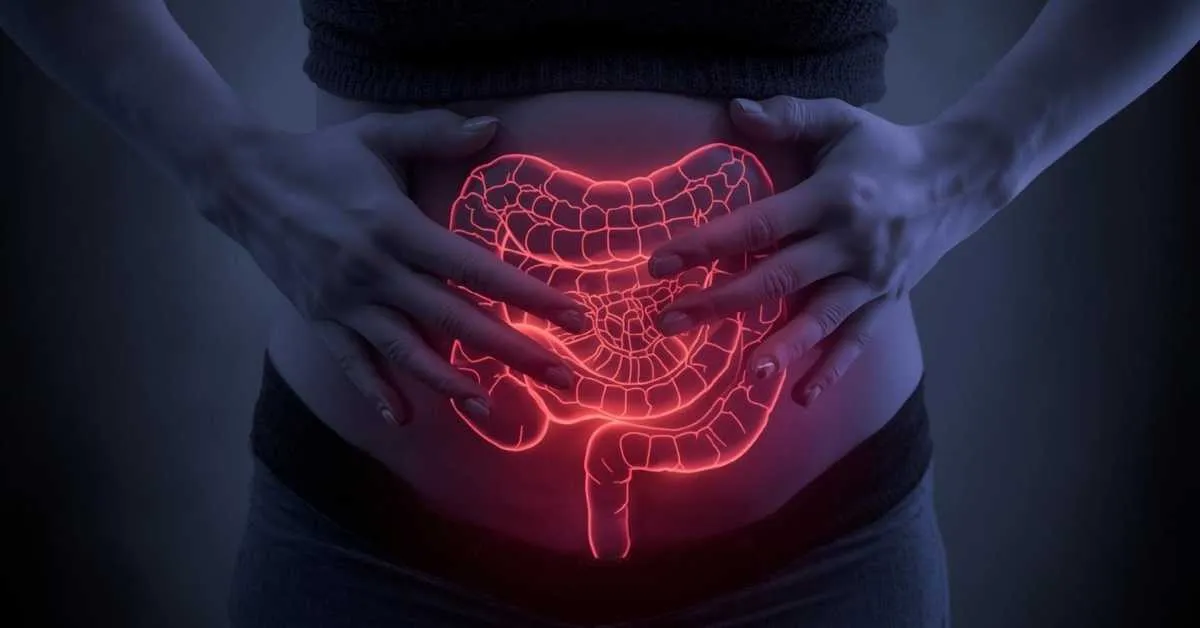
Let’s talk Period Weight Gain because if your jeans suddenly feel tighter right before your period, you’re definitely not imagining things.
One day you’re fine, the next day your body feels like it’s holding on to every drop of water it can find.
It’s annoying, confusing, and honestly a little unfair.
The good news? This kind of weight gain is super common and usually temporary.
So before you blame your diet or swear off carbs forever, let’s break down what’s really going on with your body.
What is Period Weight Gain?
Period weight gain refers to the temporary increase in body weight that often occurs in the days leading up to and during menstruation. Many people experience this fluctuation, which can range from 1 to 5 pounds (0.5 to 2 kilograms), though it varies from person to person. Importantly, this weight gain is not fat accumulation—it’s largely caused by water retention, bloating, and hormonal changes.
During the menstrual cycle, levels of estrogen and progesterone rise and fall, triggering fluid shifts in the body. High progesterone levels, for example, can slow digestion and increase water retention, while fluctuating estrogen levels can cause bloating and temporary fat storage in certain areas. Many people also notice swelling in the abdomen, breasts, or legs, which adds to the sensation of weight gain.
Other contributors include changes in appetite and cravings, particularly for salty or sugary foods, which can further increase fluid retention. Reduced physical activity due to cramps or fatigue can also play a minor role.
Understanding that this weight gain is temporary and mostly water-based can help reduce anxiety and prevent drastic dieting or overexercising. By recognizing the natural patterns of your menstrual cycle, you can better manage your expectations and take proactive steps to feel comfortable during this time.
Why Does Period Weight Gain Happen?
Period weight gain happens mainly due to hormonal fluctuations throughout the menstrual cycle. Two hormones—estrogen and progesterone—play the biggest roles. In the days leading up to menstruation, progesterone levels rise, which can cause the body to retain water and salt. This often leads to bloating, swelling, and a temporary increase in weight. Estrogen fluctuations can also contribute by affecting fluid balance and fat storage, particularly around the hips, abdomen, and breasts.
Another factor is changes in appetite and cravings. Many people experience stronger cravings for salty, sugary, or high-carb foods before their period, which can lead to higher sodium intake and additional water retention. Emotional changes linked to premenstrual syndrome (PMS) may also increase the likelihood of overeating, further adding to short-term weight gain.
Digestive changes are common as well. Progesterone slows down digestion, leading to constipation or a feeling of fullness, which can make you feel heavier than usual.
Finally, reduced physical activity due to fatigue, cramps, or discomfort can also contribute slightly to weight gain. Even light movement may feel challenging during this time, which can affect water balance and circulation.
It’s important to remember that most of this weight gain is temporary and not fat accumulation. Understanding the underlying causes can help you anticipate these changes and manage them with simple lifestyle adjustments, rather than feeling frustrated or discouraged by the scale.
How Much Weight Gain is Normal?
Experiencing weight changes during your menstrual cycle is completely normal, but understanding the typical range can help you put it into perspective. Most people gain anywhere from 1 to 5 pounds (0.5 to 2 kilograms) in the days leading up to or during their period. This is primarily due to water retention, bloating, and digestive slowdowns, not actual fat gain.
The exact amount varies from person to person. Some may notice very minimal changes, while others may feel heavier, particularly in the abdomen, hips, breasts, or legs. Factors such as genetics, diet, hydration levels, and physical activity can influence how much weight fluctuates. Even the timing within your menstrual cycle can affect this. For example, weight gain is often most noticeable one to two days before menstruation starts, and it usually begins to resolve a few days into your period.
While temporary weight gain is normal, there are instances where sudden or excessive increases may signal an underlying issue. Conditions such as polycystic ovary syndrome (PCOS), thyroid disorders, or hormonal imbalances can sometimes cause more pronounced weight changes. If you notice extreme weight fluctuations or persistent bloating, it’s wise to consult a healthcare professional to rule out medical concerns.
Understanding what’s typical can help you avoid unnecessary worry or drastic dieting. Recognizing that these changes are temporary and part of your body’s natural rhythm allows you to focus on supportive habits rather than panicking over a number on the scale.
Common Myths About Period Weight Gain
Period weight gain is a topic surrounded by myths and misconceptions, which can cause unnecessary stress or unhealthy habits. Understanding the facts can help you approach these changes with clarity and confidence.
Myth 1: All weight gained during your period is fat.
This is one of the most common misconceptions. In reality, the majority of premenstrual weight gain is water retention, bloating, and temporary digestive changes, not fat accumulation. Your body is simply holding onto fluid, which usually disappears a few days after menstruation begins.
Myth 2: You should drastically diet to prevent period weight gain.
Restrictive diets or extreme exercise are unnecessary and often counterproductive. Since the weight is mostly water, dieting aggressively will not prevent it. Instead, balanced meals, hydration, and moderate exercise are more effective and sustainable.
Myth 3: Exercise won’t help with period-related weight gain.
While exercise won’t prevent temporary water retention, gentle movement like walking, yoga, or light stretching can reduce bloating, improve circulation, and boost mood during your period. Physical activity also helps regulate digestion and manage cravings.
Myth 4: Everyone experiences the same amount of weight gain.
Individual experiences vary widely due to factors like hormones, genetics, lifestyle, and diet. Comparing yourself to others can create unnecessary anxiety.
By debunking these myths, you can approach period weight gain with a realistic perspective, avoid panic, and focus on supportive habits that help you feel comfortable during your cycle.
How to Manage Period Weight Gain
While period weight gain is usually temporary and harmless, there are several strategies you can use to feel more comfortable and reduce bloating during this time. Focusing on supportive habits rather than strict dieting is key.
1. Diet and Nutrition
- Stay hydrated: Drinking plenty of water helps flush out excess fluids and reduces bloating.
- Limit salt and processed foods: High sodium intake can worsen water retention.
- Eat nutrient-dense meals: Incorporate fruits, vegetables, whole grains, and lean proteins to support digestion and stabilize blood sugar levels.
- Manage cravings mindfully: Instead of restricting, satisfy cravings with healthier alternatives, such as dark chocolate for sweets or air-popped popcorn for salty snacks.
2. Exercise and Movement
Gentle physical activity can help reduce bloating and improve mood. Walking, yoga, stretching, or low-intensity workouts increase circulation, support digestion, and ease water retention. Even 20–30 minutes a day can make a noticeable difference.
3. Lifestyle Habits
- Track your cycle: Understanding your body’s patterns helps anticipate weight fluctuations and reduces anxiety.
- Prioritize sleep: Adequate rest supports hormonal balance and helps regulate appetite.
- Manage stress: Stress can worsen water retention and cravings, so activities like meditation, deep breathing, or journaling can be beneficial.
Remember, the key is consistency and self-care. Most period weight gain resolves naturally within a few days, and these habits make the experience more comfortable without resorting to extreme measures.
When to See a Doctor
While most period weight gain is temporary and harmless, there are situations where it may indicate an underlying medical condition. Knowing when to seek professional advice can help you address potential issues early.
1. Sudden or Excessive Weight Gain
Gaining significantly more than the typical 1–5 pounds (0.5–2 kg) in a short period may signal water retention due to hormonal imbalances, thyroid disorders, or kidney problems. If you notice abrupt weight changes unrelated to diet or activity, it’s wise to consult a healthcare provider.
2. Persistent Bloating or Swelling
If bloating or swelling lasts well beyond your period, or is accompanied by pain, redness, or severe discomfort, it may indicate fluid retention from conditions like edema, PCOS, or liver issues.
3. Irregular Menstrual Cycles or Severe PMS Symptoms
Extreme PMS symptoms, such as intense bloating, mood swings, or cramps, combined with unusual weight changes, could point to hormonal imbalances or reproductive health concerns.
4. Other Concerning Symptoms
Symptoms like shortness of breath, dizziness, or sudden swelling in the legs may be signs of more serious conditions and should prompt immediate medical attention.
Regular checkups and open communication with your doctor can help you distinguish normal period weight fluctuations from signs of potential health problems. Understanding what’s typical for your body, combined with professional guidance when necessary, ensures both your physical and emotional well-being during your cycle.
Tips for Emotional Wellbeing During PMS
Period weight gain is not just a physical experience—it can also affect your emotional wellbeing. Many people feel frustrated, self-conscious, or anxious when the scale rises, even temporarily. Practicing strategies that support your mental health can make this time more manageable.
1. Accept Normal Fluctuations
Recognize that weight changes during your menstrual cycle are completely normal and mostly temporary. Reminding yourself that your body is simply responding to hormonal shifts can reduce stress and self-criticism.
2. Practice Mindfulness
Techniques like meditation, deep breathing, or journaling help you stay grounded and cope with PMS-related mood swings. Spending a few minutes each day focusing on your breath or writing down your thoughts can improve emotional clarity.
3. Maintain a Positive Body Image
Avoid comparing yourself to others or to your “ideal” weight. Temporary bloating or swelling does not reflect your overall health or worth. Celebrate what your body does for you instead of focusing solely on numbers on the scale.
4. Stay Active
Gentle movement such as walking, stretching, or yoga not only reduces bloating but also releases endorphins, which improve mood and relieve stress.
5. Lean on Support Systems
Talking to friends, family, or online communities about PMS experiences can normalize what you’re feeling and provide comfort.
By combining these strategies with physical self-care—hydration, nutrition, and exercise—you can navigate your cycle with confidence, balance, and emotional resilience, rather than letting temporary weight changes affect your self-esteem.
Summary / Conclusion
Period weight gain is a natural and common part of the menstrual cycle, experienced by many people worldwide. Typically, the increase ranges from 1 to 5 pounds (0.5–2 kilograms) and is largely due to water retention, bloating, digestive changes, and hormonal fluctuations, rather than fat gain. Understanding these underlying causes can help you approach your cycle with a calmer, more informed perspective.
Managing period weight gain doesn’t require extreme dieting or intense exercise. Simple strategies—like staying hydrated, reducing salty and processed foods, engaging in gentle movement, and prioritizing sleep—can make a noticeable difference. Tracking your menstrual cycle also allows you to anticipate weight changes, plan your nutrition and activity, and reduce stress around the scale.
Equally important is emotional wellbeing. Accepting natural body fluctuations, practicing mindfulness, and maintaining a positive body image help prevent unnecessary anxiety or frustration. Temporary weight changes do not define your health or self-worth, and self-compassion during this time is essential.
Finally, while period weight gain is usually harmless, it’s important to be aware of warning signs such as sudden or excessive weight gain, persistent bloating, or unusual swelling, which may require consultation with a healthcare professional.
By combining knowledge, practical strategies, and emotional care, you can navigate your menstrual cycle confidently, comfortably, and without panic. Remember: period weight gain is a temporary and normal part of your body’s rhythm, and with the right approach, it can be managed effectively while supporting overall health and well being.