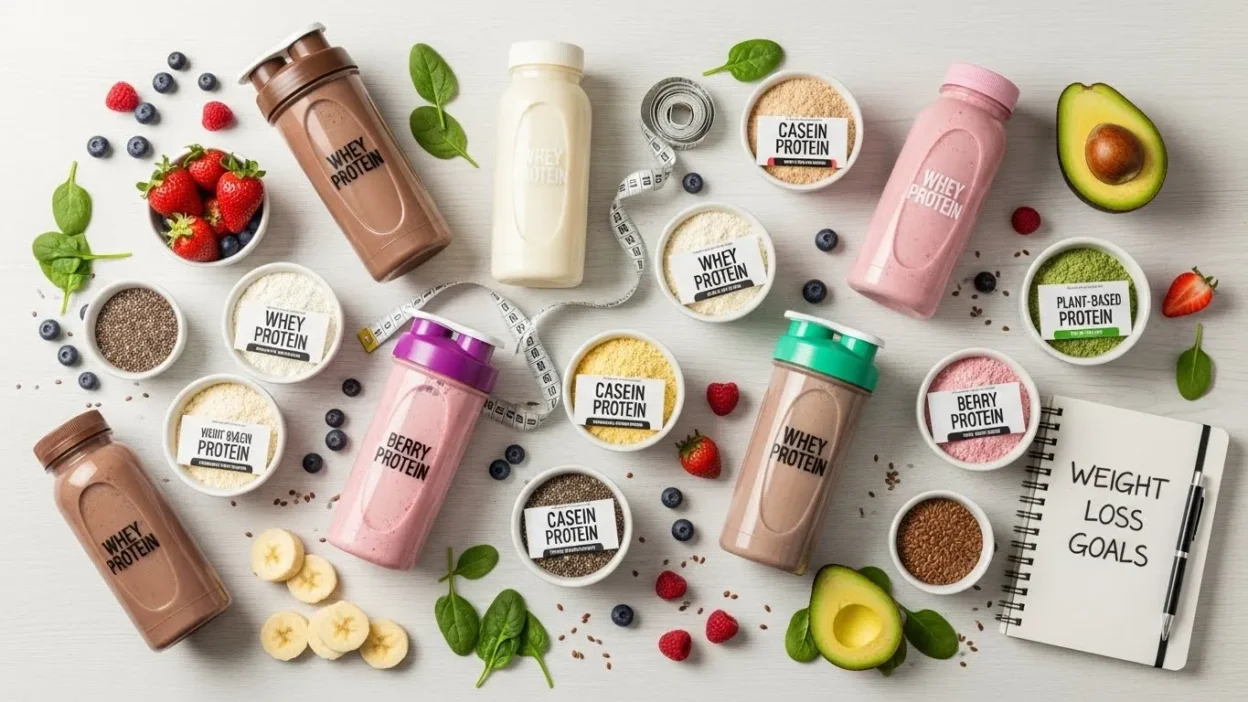
Protein drinks have become a popular choice for people looking to lose weight without sacrificing nutrition or convenience.
In today’s fast-paced lifestyle, preparing balanced meals every time isn’t always easy, and this is where protein drinks can play a supportive role.
Designed to deliver a high amount of protein with relatively few calories, these drinks help control hunger, reduce cravings, and support fat loss goals.
Protein is known for its ability to keep you feeling full for longer compared to carbohydrates or fats, which can naturally lead to reduced calorie intake throughout the day.
In addition, adequate protein intake helps preserve lean muscle mass during weight loss, an important factor for maintaining a healthy metabolism.
Whether used as a meal replacement, a post-workout recovery option, or a healthy snack, protein drinks can fit into many weight loss plans.
However, understanding how to choose and use them correctly is essential for achieving sustainable and healthy results.
What Are Protein Drinks?
Protein drinks are beverages specifically formulated to provide a concentrated source of protein in an easy-to-consume form. They are commonly made using protein powders mixed with water, milk, or plant-based alternatives, or sold as ready-to-drink bottled shakes. The primary purpose of protein drinks is to help individuals meet their daily protein needs without consuming excessive calories, which makes them especially appealing for weight loss.
Most protein drinks contain one or more protein sources such as whey, casein, soy, pea, or rice protein. In addition to protein, they may include other ingredients like fiber, vitamins, minerals, and flavoring agents. Some are designed to be low in calories and carbohydrates, while others function as meal replacements with added fats and micronutrients.
It’s important to distinguish protein drinks from protein smoothies. Protein drinks typically focus on protein content with minimal extras, whereas smoothies often include fruits, vegetables, nut butters, and other ingredients that can increase calorie density. For weight loss, protein drinks offer greater portion control and calorie predictability. When chosen carefully, they can be a practical tool to support appetite control, muscle maintenance, and overall dietary consistency during a weight loss journey.
How Protein Helps With Weight Loss
Protein plays a critical role in weight loss because of how it affects hunger, metabolism, and body composition. One of the biggest benefits of protein is its ability to increase satiety. When you consume protein, it stimulates hormones that signal fullness, helping you feel satisfied for longer periods. This can reduce frequent snacking and overall calorie intake, making it easier to maintain a calorie deficit.
Another important advantage is protein’s high thermic effect. Compared to carbohydrates and fats, protein requires more energy for digestion and absorption. This means your body burns more calories processing protein, slightly boosting your metabolism throughout the day. While this effect alone won’t cause dramatic weight loss, it contributes to better energy balance over time.
Protein also helps preserve lean muscle mass during weight loss. When calories are reduced, the body can break down muscle for energy if protein intake is too low. Maintaining muscle is essential because muscle tissue burns more calories at rest than fat tissue. By supporting muscle retention, protein helps keep your metabolism functioning efficiently.
Together, these benefits make protein drinks a useful dietary tool, especially when paired with balanced meals, regular physical activity, and consistent healthy habits.
Types of Protein Drinks for Weight Loss
There are several types of protein drinks available, and choosing the right one can make a significant difference in your weight loss results. One of the most popular options is whey protein drinks. Whey protein is quickly absorbed, supports muscle maintenance, and is often low in calories, making it a common choice for post-workout recovery and appetite control. Whey isolate, in particular, contains less fat and lactose than whey concentrate.
Plant-based protein drinks are another excellent option, especially for vegans or those with lactose intolerance. These drinks typically use pea, soy, rice, or hemp protein. While some plant proteins are lower in certain amino acids, many blends combine multiple sources to provide a complete protein profile suitable for weight loss.
Casein protein drinks digest more slowly and provide a steady release of amino acids. This makes them useful for controlling hunger between meals or before bedtime. Meal replacement protein shakes are more calorie-dense and include carbohydrates, fats, fiber, and vitamins. They can replace a full meal but should be used strategically to avoid excess calories.
Homemade protein drinks allow full control over ingredients, sugar, and calories, making them a flexible and cost-effective weight loss option.
Best Protein Drinks for Weight Loss: What to Look For
Not all protein drinks are equally effective for weight loss, so knowing what to look for is essential. The most important factor is protein content. A good protein drink for weight loss typically contains between 20 and 30 grams of protein per serving, which is enough to promote satiety and support muscle maintenance without adding unnecessary calories.
Calories are another key consideration. For weight loss, most protein drinks should fall within the range of 120 to 200 calories per serving, depending on how they are used. Drinks intended as snacks should be lower in calories, while meal replacement options may contain more. Added sugars should be kept to a minimum, ideally under 5 grams per serving, as excess sugar can quickly undermine fat loss goals.
Fiber is a valuable addition because it further increases fullness and supports digestion. Look for protein drinks with at least 3 to 5 grams of fiber when possible. Ingredient quality also matters. Avoid products with long lists of artificial additives, fillers, or unhealthy fats. While artificial sweeteners are common, they should be consumed in moderation, especially for individuals sensitive to digestive discomfort.
Reading nutrition labels carefully helps ensure the protein drink supports weight loss rather than contributing to unwanted calorie intake.
Best Time to Drink Protein for Weight Loss
Timing can influence how effective protein drinks are for weight loss, although overall daily intake matters most. One common approach is using protein drinks as a meal replacement, especially for breakfast. Starting the day with a high-protein drink can help control hunger, stabilize blood sugar levels, and reduce overeating later in the day. Some people also replace lunch or dinner with a protein shake, but this should be done carefully to ensure overall nutrition remains balanced.
Protein drinks also work well as snacks between meals. A mid-morning or afternoon protein drink can prevent energy crashes and reduce cravings for high-calorie foods. This strategy is particularly useful for people who tend to snack mindlessly or overeat during certain parts of the day.
Post-workout protein drinks support muscle recovery and help preserve lean mass while losing fat. Consuming protein after exercise can enhance muscle repair and improve body composition over time. Additionally, casein protein before bed may help control nighttime hunger due to its slow digestion rate.
Ultimately, the best time to drink protein depends on individual lifestyle, activity level, and dietary preferences, as long as total calories remain controlled.
How to Use Protein Drinks Correctly for Weight Loss
Using protein drinks correctly is essential to avoid common mistakes that can slow or reverse weight loss progress. One of the most important guidelines is moderation. Most people benefit from one to two protein drinks per day, depending on their protein needs, activity level, and overall diet. Relying too heavily on protein drinks while neglecting whole foods can lead to nutrient gaps over time.
Protein drinks should complement a balanced diet, not replace it entirely. Whole foods such as lean meats, eggs, legumes, vegetables, and whole grains provide essential vitamins, minerals, and fiber that protein drinks may lack. When using a protein drink as a meal replacement, it’s important to ensure it contains adequate fiber, healthy fats, and micronutrients.
Combining protein drinks with regular exercise enhances weight loss results. Strength training, in particular, works synergistically with protein intake to preserve muscle mass and improve metabolism. Cardiovascular exercise further supports calorie burning and fat loss.
Another common mistake is underestimating calories from add-ins. Adding ingredients like nut butter, honey, or full-fat milk can significantly increase calorie content. Tracking intake and reading labels can help prevent accidental overconsumption.
When used thoughtfully and consistently, protein drinks can be a practical and effective tool within a sustainable weight loss plan.
Protein Drinks vs Whole Food Protein
While protein drinks are convenient and effective, they should not completely replace whole food protein sources in a weight loss plan. Whole foods like lean meats, fish, eggs, beans, legumes, and dairy provide more than just protein—they also supply essential vitamins, minerals, healthy fats, and fiber that protein drinks often lack. These nutrients are important for overall health, energy levels, and long-term weight management.
Protein drinks are best viewed as a supplement rather than a substitute. They can help fill gaps in your diet, provide quick protein after workouts, or act as a low-calorie meal replacement when time is limited. However, relying exclusively on protein drinks may leave your diet deficient in certain nutrients and can make eating feel less satisfying, which may lead to cravings and overeating.
Another factor is digestion. Whole foods take longer to digest, which can help you feel full for longer periods, whereas protein drinks are digested more quickly. Combining both can create a balance: use protein drinks strategically for convenience, but continue to prioritize whole food protein for nutritional completeness, satiety, and long-term weight loss success. This combination ensures you meet protein goals while maintaining a varied and nutrient-rich diet.l
Do Protein Drinks Have Side Effects?
Protein drinks are generally safe for most people, but overconsumption or certain sensitivities can lead to side effects. One common issue is digestive discomfort. Some individuals experience bloating, gas, or stomach cramps, especially with whey protein or drinks containing lactose. People with lactose intolerance or a sensitive digestive system may prefer plant-based protein options or lactose-free whey isolates to minimize these effects.
Another concern is the risk of consuming too many calories. While protein drinks are often marketed as low-calorie, adding ingredients like milk, nut butter, or sweeteners can quickly increase their calorie content, potentially leading to weight gain instead of loss. Monitoring portion sizes and reading labels carefully is crucial.
Allergies are another consideration. Whey, soy, and other protein sources can trigger allergic reactions in susceptible individuals. Always check ingredient lists and consult a healthcare professional if you have known food allergies.
There are also myths about kidney damage or other long-term health risks from protein drinks. For healthy individuals, moderate protein intake from drinks or foods is safe. However, those with pre-existing kidney conditions should consult a doctor before significantly increasing protein intake.
When chosen thoughtfully and used in moderation, protein drinks are a safe and effective tool for weight loss, offering convenience and nutritional support without harmful side effects.
Protein Drinks for Different Weight Loss Goals
Protein drinks can be tailored to fit a variety of weight loss goals, depending on your age, gender, activity level, and fitness objectives. For men and women aiming to lose fat while maintaining muscle, high-protein drinks combined with strength training are particularly effective. Men often benefit from slightly higher protein intakes due to larger muscle mass, while women may focus on moderate protein with controlled calorie intake.
Beginners to weight loss or fitness programs can use protein drinks as a simple way to ensure they meet daily protein requirements without overcomplicating meal planning. They are especially helpful for people new to tracking macros or who struggle with portion control, providing a reliable source of protein with minimal calories.
Athletes or highly active individuals often require protein drinks to support recovery after workouts. Post-exercise protein helps repair muscle tissue, prevent muscle loss, and enhance fat loss when combined with a calorie-controlled diet. Protein drinks before or after exercise can maximize these benefits, ensuring the body has sufficient nutrients to rebuild and maintain lean mass.
Older adults looking to lose weight can also benefit from protein drinks. Muscle loss, or sarcopenia, is a natural part of aging, and adequate protein helps preserve lean muscle while supporting fat loss. Slow-digesting proteins, like casein, can provide a steady release of amino acids, which is especially beneficial for older adults to maintain metabolism and prevent muscle breakdown.
By adjusting the type, timing, and portion size of protein drinks, they can be a flexible and effective tool for a wide range of weight loss goals and lifestyles.
Sample Protein Drink Recipes for Weight Loss
Creating your own protein drinks at home allows you to control ingredients, flavors, and calorie content, making them ideal for weight loss. Here are a few easy and effective recipes to incorporate into your routine:
1. Low-Calorie Breakfast Shake
- 1 scoop whey or plant-based protein powder
- 1 cup unsweetened almond milk
- ½ frozen banana
- 1 teaspoon chia seeds
Blend until smooth for a filling, low-calorie breakfast that provides protein, fiber, and healthy fats.
2. High-Protein Post-Workout Shake
- 1 scoop whey protein
- 1 cup skim milk or water
- ½ cup frozen berries
- 1 tablespoon natural peanut butter
This shake supports muscle recovery, provides antioxidants, and keeps calories moderate while satisfying hunger.
3. Plant-Based Green Smoothie
- 1 scoop pea or soy protein
- 1 cup unsweetened soy milk
- 1 handful spinach or kale
- ½ cup frozen pineapple or mango
This shake is rich in vitamins, minerals, and protein, making it perfect for vegans and those looking for nutrient-dense options.
4. Nighttime Casein Shake
- 1 scoop casein protein
- 1 cup water or unsweetened almond milk
- ½ teaspoon cinnamon or cocoa powder
- Optional: 1 teaspoon flaxseed
Casein digests slowly, helping control hunger overnight and supporting muscle maintenance while you sleep.
Homemade protein drinks can be adjusted to taste preferences, caloric needs, and dietary restrictions, providing a convenient, flexible, and effective tool for sustainable weight loss.
Are Protein Drinks Effective for Long-Term Weight Loss?
Protein drinks can be an effective tool for weight loss, but their success largely depends on how they are incorporated into an overall diet and lifestyle. Short-term results are often noticeable because protein helps control appetite, preserves lean muscle, and supports a calorie deficit. Many people experience reduced snacking, fewer cravings, and easier meal planning when protein drinks are used strategically.
However, long-term weight loss requires more than just drinking protein shakes. Relying exclusively on protein drinks without addressing overall diet quality, portion control, and physical activity is unlikely to produce sustainable results. Weight loss achieved solely through shakes may plateau once the body adapts, and important nutrients from whole foods can be lacking. This can make long-term adherence difficult and potentially lead to regaining lost weight.
The most sustainable approach is to use protein drinks as a supplement rather than a replacement for a healthy, balanced diet. Combining shakes with whole foods, regular exercise, and consistent healthy habits creates a lasting calorie deficit while maintaining muscle mass. Additionally, adjusting protein intake to meet your individual needs ensures your metabolism remains active and your body composition improves over time.
When incorporated thoughtfully, protein drinks are not a “quick fix” but a convenient and effective component of a long-term weight loss strategy that promotes satiety, muscle preservation, and overall nutritional balance.
Frequently Asked Questions (FAQs) About Protein Drinks for Weight Loss
1. Do protein drinks burn fat?
Protein drinks don’t directly “burn” fat, but they help create conditions that support fat loss. By increasing satiety, reducing overall calorie intake, and preserving lean muscle mass, protein drinks make it easier to maintain a calorie deficit, which is essential for losing fat.
2. Can I lose weight drinking protein shakes only?
Relying solely on protein shakes is not recommended. While it may lead to short-term weight loss, it can create nutrient deficiencies, make meals less satisfying, and be difficult to sustain. Protein drinks work best as a supplement to a balanced diet rather than a complete replacement.
3. Are protein drinks safe to consume every day?
Yes, for most healthy adults, daily consumption of protein drinks is safe, provided you stay within your recommended protein intake. Overconsumption can lead to digestive discomfort or unnecessary calorie intake, so moderation is key.
4. How much protein do I need per day for weight loss?
For weight loss, a common recommendation is 0.7–1 gram of protein per pound of body weight, depending on activity level. Protein drinks can help meet this target, especially for those who struggle to get enough protein from whole foods.
5. Which type of protein drink is best for weight loss?
It depends on your goals and dietary preferences. Whey protein is fast-absorbing and ideal post-workout, casein helps with nighttime satiety, and plant-based options suit vegans or lactose-intolerant individuals. Choosing low-sugar, moderate-calorie options is essential for effective weight loss.