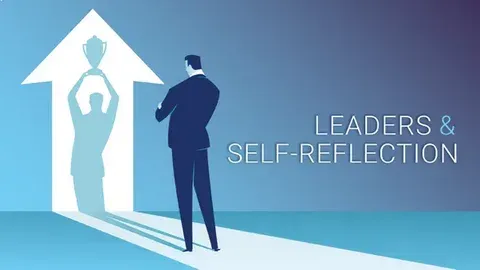
Self-reflection is the practice of introspection and self-examination that allows individuals to turn their focus inward and thoughtfully assess their thoughts, emotions, actions, and motivations.
The purpose of this inward exploration is personal development understanding who you are, why you behave the way you do, and how you can grow.
As a powerful personal growth tool, self-reflection strengthens self-awareness, improves decision-making, and deepens understanding of one’s values, attitudes, and behaviors.
By evaluating emotional responses and internal thought patterns, individuals can uncover their authentic selves while cultivating mindfulness and emotional intelligence qualities that are essential for both personal and professional success.
This reflective process also plays a crucial role in identifying recurring patterns and behaviors that may influence goal achievement.
Through consistent self-examination, individuals can recognize what supports their progress and what holds them back, making self-reflection an essential habit for long-term self-improvement.
This article will guide readers through the importance of self-reflection, help identify key areas for personal growth, and outline practical strategies for meaningful introspection.
Additionally, it will share actionable tips to make self-reflection a regular practice enhancing emotional intelligence, strengthening communication skills, and fostering greater self-compassion, resilience, and clarity in everyday life.
What Is Self-Reflection?
Self-reflection is the process of consciously thinking about your own thoughts, emotions, actions, and experiences. It means looking inward and asking yourself honest questions to understand why you think, feel, or act in a certain way.
In simple terms, self-reflection is self-examination with intention. It’s not about judging yourself harshly or feeling guilty. Instead, it’s about learning, growing, and becoming more aware of who you are.
For example:
- Why did I react emotionally in that situation?
- What did I learn from this mistake?
- How can I improve next time?
These questions form the foundation of self-reflection.
Why Do People Search for “Self-Reflection”?
People search for self-reflection because they want clarity. Life moves fast, and many people don’t take time to pause and understand themselves. Some common reasons include:
- Feeling stuck in life or career
- Wanting to improve mental health
- Trying to understand emotions better
- Learning about personal development
- Improving communication and relationships
- Understanding mistakes without self-blame
This article helps by providing clear explanations and practical steps, making self-reflection easy to understand and use.
The True Purpose of Self-Reflection
The main purpose of self-reflection is self-awareness. When you understand yourself, you gain control over your reactions, decisions, and growth.
Self-reflection helps you:
- Identify patterns in your behavior
- Learn from past experiences
- Improve emotional intelligence
- Make better decisions
- Grow personally and professionally
Without self-reflection, people often repeat the same mistakes without realizing why.
Why Self-Reflection Is Important in Life
Self-reflection is not just a personal habit it’s a life skill. Here’s why it matters so much:
1. Builds Self-Awareness
Self-reflection allows you to understand your strengths, weaknesses, values, and beliefs. When you know yourself, you live more intentionally.
2. Improves Decision-Making
Reflecting on past choices helps you make better decisions in the future. You learn what works and what doesn’t.
3. Enhances Emotional Intelligence
By reflecting on your emotions, you learn how to manage them better instead of reacting impulsively.
4. Supports Personal Growth
Growth happens when you recognize areas that need improvement. Self-reflection makes growth possible.
5. Improves Relationships
When you understand your own behavior, you communicate better and build healthier relationships.
Self-Reflection and Mental Health
Self-reflection plays a powerful role in mental well-being. It helps you understand emotional triggers, manage stress, and maintain balance.
However, healthy self-reflection is different from overthinking.
- Self-reflection leads to clarity
- Overthinking leads to anxiety
The key is reflecting with purpose, not obsessing over problems.
Self-Reflection vs Overthinking
Many people confuse self-reflection with overthinking, but they are very different.
| Self-Reflection | Overthinking |
|---|---|
| Calm and intentional | Stressful and repetitive |
| Focused on learning | Focused on worry |
| Leads to growth | Leads to anxiety |
| Helps find solutions | Creates confusion |
Healthy self-reflection always moves you forward.
How to Practice Self-Reflection Effectively
You don’t need special tools to start self-reflection. Here are simple and effective methods:
1. Daily Reflection
Spend 5–10 minutes thinking about your day. Ask:
- What went well today?
- What could I improve?
2. Journaling
Writing your thoughts helps organize your mind and identify patterns.
3. Asking Honest Questions
Ask yourself questions like:
- Why did this situation affect me?
- What can I learn from this?
4. Quiet Time
Silence allows deeper thinking. Avoid distractions during reflection.
5. Learning from Feedback
Reflect on feedback from others instead of reacting defensively.
Self-Reflection Questions You Can Ask Yourself
Here are some powerful self-reflection questions:
- What did I learn from this experience?
- How did my actions affect others?
- What emotions did I feel and why?
- What can I do better next time?
- What am I grateful for today?
These questions encourage growth, not self-criticism.
How Often Should You Practice Self-Reflection?
There is no fixed rule, but consistency matters more than frequency.
- Daily: Short reflections
- Weekly: Deeper reflection
- Monthly: Life direction review
Even a few minutes regularly can make a big difference.
Self-Reflection in Personal Life
In personal life, self-reflection helps you:
- Understand your emotions
- Improve self-confidence
- Manage stress
- Build self-discipline
- Set meaningful goals
It allows you to live intentionally instead of reacting to life.
Self-Reflection in Relationships
Self-reflection improves relationships by helping you:
- Communicate more clearly
- Take responsibility for mistakes
- Understand others’ perspectives
- Reduce unnecessary conflicts
Instead of blaming others, self-reflection encourages understanding.
Self-Reflection in Professional Life
In work and career, self-reflection helps you:
- Improve performance
- Learn from mistakes
- Set realistic goals
- Enhance leadership skills
- Adapt to change
Successful professionals often credit self-reflection for their growth.
How to Use “Self-Reflection” in Sentences and Conversations
Using the word self-reflection correctly shows emotional maturity. Here are examples:
- “Through self-reflection, I realized where I need to improve.”
- “Self-reflection helped me understand my reaction.”
- “I believe self-reflection is essential for growth.”
- “After some self-reflection, I changed my approach.”
These examples make your speech sound thoughtful and confident.
Common Misunderstandings About Self-Reflection
1. Self-Reflection Is Not Self-Blame
It’s about learning, not criticizing yourself.
2. Self-Reflection Is Not Weakness
It’s a strength that shows self-awareness.
3. Self-Reflection Is Not Only for Problems
You can reflect on success to understand what worked.
Benefits of Practicing Self-Reflection Regularly
Regular self-reflection offers long-term benefits:
- Increased clarity
- Better emotional control
- Improved confidence
- Stronger relationships
- Continuous self-improvement
It helps you become the best version of yourself.
Challenges in Self-Reflection and How to Overcome Them
Some people struggle with self-reflection because:
- They avoid uncomfortable truths
- They confuse reflection with negativity
- They lack time or discipline
Solutions include:
- Keeping reflections short
- Staying honest but kind
- Focusing on growth, not perfection
Self-Reflection and Personal Growth
Personal growth starts with awareness. Self-reflection helps you:
- Identify habits
- Change behavior
- Align actions with values
Without reflection, growth becomes accidental instead of intentional.
Self-Reflection in Modern Life
In today’s fast-paced world, people rarely pause. Self-reflection acts as a reset button, helping you slow down, reconnect with yourself, and move forward with clarity.
Simple Self-Reflection Exercise
Try this exercise:
- Sit quietly for 5 minutes
- Think about one recent experience
- Ask what you learned from it
- Decide one small improvement
This simple habit can transform your mindset.
How Self-Reflection Improves Communication
When you understand yourself, you express thoughts more clearly. Self-reflection reduces misunderstandings and improves listening skills.
Teaching Self-Reflection to Others
Self-reflection can be encouraged by:
- Asking open-ended questions
- Promoting honest discussions
- Modeling reflective behavior
It’s a valuable skill for students, leaders, and parents.
Final Thoughts
Self-reflection is a powerful tool that helps you understand yourself, grow emotionally, and improve every aspect of life. If you searched for this word to find clarity, meaning, or personal development, this guide provides a complete solution.
By practicing self-reflection regularly, you don’t just learn about yourself you become more aware, confident, and intentional in how you live and communicate.
Discover More Post
- Logan Paul Height And Weight
- Huggies Size 3 Weight
- Forward Facing Car Seat Weight
- Options Medical Weight Loss Clinic