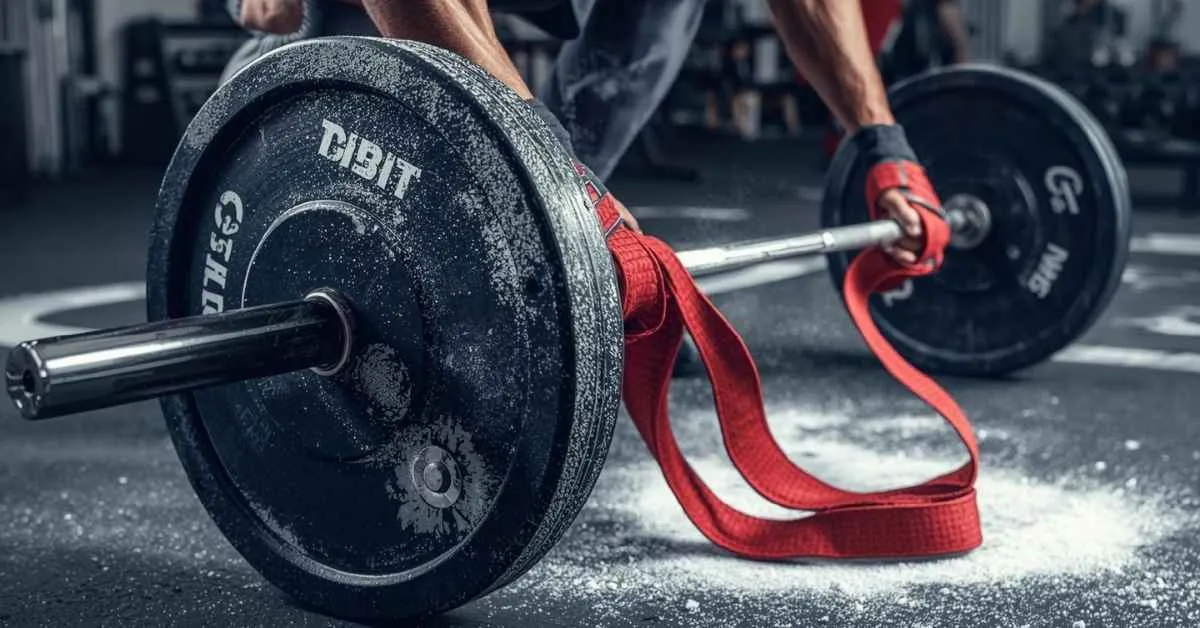
Let’s be honest Weight Lifting Straps don’t get enough credit until your grip gives up before your muscles do.
If you’ve ever dropped a bar mid-set and stared at your hands like they betrayed you, you’re not alone.
These little straps can be the difference between cutting a workout short and pushing through like a champ. No magic, no hype just smart support when your grip taps out early.
You’re deadlifting heavy or chasing new PRs, straps might just become your gym best friend.
What Are Weight Lifting Straps?
Weight lifting straps are simple, durable accessories designed to help lifters improve their grip on heavy weights. Usually made from cotton, nylon, or leather, these straps wrap around your wrists and the barbell, dumbbell, or other equipment, providing extra support and stability. By securing the weight to your hands, lifting straps allow you to focus more on the targeted muscles rather than worrying about grip fatigue.
While lifting straps are commonly associated with deadlifts, they’re also useful for rows, shrugs, pull-ups, and other pulling exercises. For many lifters, straps make the difference between completing a set with proper form or having to drop the weight prematurely due to a slipping grip.
It’s important to note that weight lifting straps are not a replacement for grip strength. Instead, they are a tool to assist when lifting heavier loads or performing high-repetition sets. Using them correctly can prevent injuries such as torn calluses or strained wrists, but overreliance may limit natural grip development.
In the next section, we’ll dive into the different types of weight lifting straps—loop, figure 8, and hook—so you can decide which one fits your workout style and lifting goals.
Types of Weight Lifting Straps
When it comes to weight lifting straps, choosing the right type can make a big difference in your grip support and overall performance. There are three main types: loop straps, figure 8 straps, and hook straps.
1. Loop Straps
Loop straps are the most common and beginner-friendly. They consist of a simple strap that loops around your wrist and the bar. They’re versatile and work well for most pulling exercises, including deadlifts, rows, and shrugs. Their simplicity makes them easy to use, durable, and widely available.
2. Figure 8 Straps
Figure 8 straps form a closed loop around the bar, resembling the number eight. They provide maximum grip support, especially during heavy deadlifts. Many powerlifters prefer figure 8 straps for their secure hold, though they can be trickier to adjust quickly between exercises.
3. Hook Straps
Hook straps feature a small metal or plastic hook that attaches to the bar. These straps make lifting convenient because you don’t have to wrap them around the bar manually. However, hook straps are generally better suited for experienced lifters, as improper use can place stress on your wrists.
Material Matters
Lifting straps come in various materials, including cotton, nylon, and leather. Cotton straps are soft and comfortable, ideal for beginners. Nylon straps are durable and resistant to stretching, while leather straps offer maximum strength for heavy lifters.
Choosing the right strap depends on your lifting goals, exercise type, and personal comfort. In the next section, we’ll explore the benefits of using weight lifting straps and why they’re popular in gyms worldwide.
Benefits of Using Weight Lifting Straps
Weight lifting straps are more than just a grip aid—they can significantly improve your lifting performance when used correctly. One of the main benefits is reducing grip fatigue. During heavy lifts like deadlifts, barbell rows, or shrugs, your forearm and hand muscles can tire before the target muscles, limiting your performance. Straps help transfer the load from your grip to your wrists, allowing you to focus on the main muscle groups.
Another key advantage is the ability to lift heavier weights safely. For many lifters, grip strength becomes the limiting factor in exercises like deadlifts. By using straps, you can push beyond this limitation without compromising form, leading to better muscle activation and faster strength gains.
Injury prevention is also a notable benefit. Straps reduce the risk of slipping or dropping the bar, which can protect your hands, wrists, and forearms from strains, calluses, or tears. They’re particularly helpful in high-repetition sets, where grip fatigue can lead to poor technique and potential injuries.
Finally, straps offer consistency in training. On days when your grip feels weaker, straps ensure you can still complete your workout effectively. They are especially useful for exercises targeting the back, traps, or biceps, where maintaining a strong, secure grip is essential.
While straps provide numerous benefits, it’s important to use them strategically and not rely on them exclusively, as overuse may limit natural grip strength development. In the next section, we’ll discuss the risks and drawbacks of using weight lifting straps.
Risks and Drawbacks of Using Weight Lifting Straps
While weight lifting straps are highly beneficial for many lifters, they are not without potential drawbacks. One of the main concerns is over-reliance on straps, which can lead to weaker natural grip strength over time. If you use straps for every heavy lift, your forearms and hands may not develop the necessary strength to hold heavy weights without assistance, limiting your overall functional strength.
Another risk is incorrect usage, which can cause discomfort or injury. Wrapping the strap too tightly or using the wrong technique can place unnecessary strain on your wrists, potentially leading to tendon irritation or joint pain. Beginners, in particular, may struggle with proper strap placement and end up compromising form during exercises.
Additionally, some lifters may develop a false sense of security. Straps make it easier to hold heavier weights, but they do not protect against poor lifting technique. If form is neglected, injuries to the back, shoulders, or other muscles can still occur.
It’s also worth noting that straps are not always allowed in competitions, such as certain powerlifting events, so relying solely on them can be limiting if you plan to compete.
To minimize risks, use lifting straps strategically: reserve them for heavier sets or exercises that truly challenge your grip, and continue to train your grip strength separately. This approach ensures you enjoy the benefits of straps without compromising overall strength development.
How to Use Weight Lifting Straps Correctly
Using weight lifting straps correctly is essential to maximize their benefits and avoid injury. Here’s a step-by-step guide to help you get started:
Step 1: Position the Straps on Your Wrists
Place each strap around your wrist with the loose end hanging down. Make sure the strap is snug but not cutting off circulation. Most straps are adjustable, so find a fit that feels secure yet comfortable.
Step 2: Wrap the Strap Around the Bar
For loop straps, thread the loose end under the bar and wrap it tightly around. The strap should hold the bar securely without slipping. Figure 8 straps and hook straps are simpler: hook or loop them around the bar according to the design.
Step 3: Grip the Bar
Once the strap is wrapped, grip the bar over the strap rather than letting your hands carry the full load. The strap will transfer much of the weight from your hands to your wrists, allowing you to lift heavier safely.
Step 4: Perform the Exercise with Proper Form
Focus on your target muscles and maintain proper technique. Straps are a tool to assist your grip, not to replace correct form.
Tips for Beginners:
- Start using straps for heavier sets, not every exercise.
- Avoid over-tightening, which can restrict blood flow.
- Practice wrapping straps before heavy lifts to save time during workouts.
By mastering these steps, you can safely enhance performance in exercises like deadlifts, rows, and shrugs, while protecting your wrists and forearms from strain.
Weight Lifting Straps vs Gloves
When it comes to improving grip and lifting performance, many gym-goers wonder whether to use weight lifting straps or gloves. While both serve the purpose of aiding your grip, they function differently and have distinct advantages and disadvantages.
Weight Lifting Straps
Straps are designed to transfer the load from your hands to your wrists, allowing you to lift heavier weights without grip fatigue. They are particularly effective for pulling exercises such as deadlifts, barbell rows, and shrugs. Straps provide maximum grip support and help prevent injuries like torn calluses or slipping bars. However, they do not strengthen your grip, and over-reliance may limit natural forearm development.
Weightlifting Gloves
Gloves provide hand protection and comfort, reducing friction and preventing blisters or calluses. Some gloves also offer a slight grip enhancement, but they do not provide the same level of support as straps. Gloves are ideal for general gym use, machines, or moderate-weight exercises, especially for beginners who want hand protection.
Which Should You Choose?
For heavy pulling exercises where grip strength is the limiting factor, lifting straps are the better choice. Gloves are useful for general lifting, pressing exercises, and machines where the grip is less of an issue. Some lifters use both, depending on the exercise: gloves for comfort, straps for maximum performance.
Understanding the differences helps you maximize lifting efficiency, protect your hands, and train smarter. In the next section, we’ll cover how to choose the best weight lifting straps for your needs.
Choosing the Best Weight Lifting Straps
Selecting the right weight lifting straps can make a big difference in comfort, performance, and durability. There are several key factors to consider when choosing straps to match your lifting style and goals.
1. Material
Straps are commonly made from cotton, nylon, or leather. Cotton straps are soft and comfortable, making them ideal for beginners or casual lifters. Nylon straps are strong, durable, and resistant to stretching, suitable for regular gym-goers. Leather straps offer maximum strength and longevity, preferred by serious lifters and powerlifters handling very heavy weights.
2. Length and Width
The length of the strap should allow you to wrap it securely around the bar without excess material dangling. Longer straps are better for heavy lifts, while shorter straps are quicker to adjust. Width matters too: wider straps distribute pressure more evenly across the wrist, reducing discomfort during heavy sets.
3. Type of Strap
Consider whether you want loop straps, figure 8 straps, or hook straps, depending on your exercise routine. Beginners often prefer simple loop straps, while advanced lifters may benefit from figure 8 or hook straps for maximum grip security.
4. Comfort and Fit
Look for straps with padding or soft edges to prevent chafing and irritation. A good fit ensures your wrists are supported without cutting off circulation.
5. Brand and Price
Investing in a reputable brand can ensure durability and safety. While cheaper straps may be tempting, durable straps last longer and perform better under heavy loads.
Choosing the right straps helps improve lifting performance, reduce fatigue, and prevent injuries. In the next section, we’ll answer some of the most frequently asked questions about weight lifting straps.
FAQs About Weight Lifting Straps
Many lifters have questions about weight lifting straps, especially regarding their use, safety, and impact on grip strength. Here are some of the most common queries:
1. Are weight lifting straps allowed in competitions?
Most powerlifting and weightlifting competitions have rules regarding equipment. While many allow straps for certain exercises, some, especially Olympic weightlifting events, prohibit them. Always check the competition rules before relying on straps.
2. Do lifting straps weaken grip strength?
Using straps too frequently can limit natural grip development, as your hands and forearms aren’t fully engaged. To maintain grip strength, use straps selectively for heavier sets, while continuing to train your grip independently.
3. Can beginners use weight lifting straps?
Yes, beginners can use straps to safely lift heavier weights and reduce hand fatigue. However, it’s important to learn proper form first and not rely solely on straps. Developing baseline grip strength is still essential.
4. How long do lifting straps last?
The lifespan of straps depends on material and frequency of use. Cotton and nylon straps can last several months to a few years with regular use, while leather straps are typically more durable, often lasting many years with proper care.
5. Are straps better than gloves?
Straps and gloves serve different purposes. Straps enhance grip and allow heavier lifts, while gloves provide hand protection and comfort. Some lifters use both depending on the exercise.
These FAQs help clear confusion and ensure safe, effective use of weight lifting straps. In the next section, we’ll summarize everything and provide final tips for using lifting straps effectively.
Conclusion & Final Tips
Weight lifting straps are a valuable tool for anyone looking to lift heavier, reduce grip fatigue, and protect their hands during intense workouts. They are especially useful for exercises like deadlifts, barbell rows, shrugs, and other pulling movements where grip strength can be a limiting factor. By transferring some of the load from your hands to your wrists, straps allow you to focus on targeting the main muscle groups safely and effectively.
However, it’s important to use straps strategically rather than relying on them for every set. Overuse can limit natural grip development and reduce forearm strength. Beginners should focus on building basic grip strength and proper lifting technique before fully integrating straps into their routine.
When choosing straps, consider the type, material, length, and comfort to match your lifting style and goals. Start with loop straps if you’re new, or opt for figure 8 or hook straps for maximum security during heavy lifts.
Finally, remember that lifting straps are a support tool, not a replacement for strength. Use them wisely, maintain proper form, and they can help you lift heavier, train smarter, and stay injury-free.